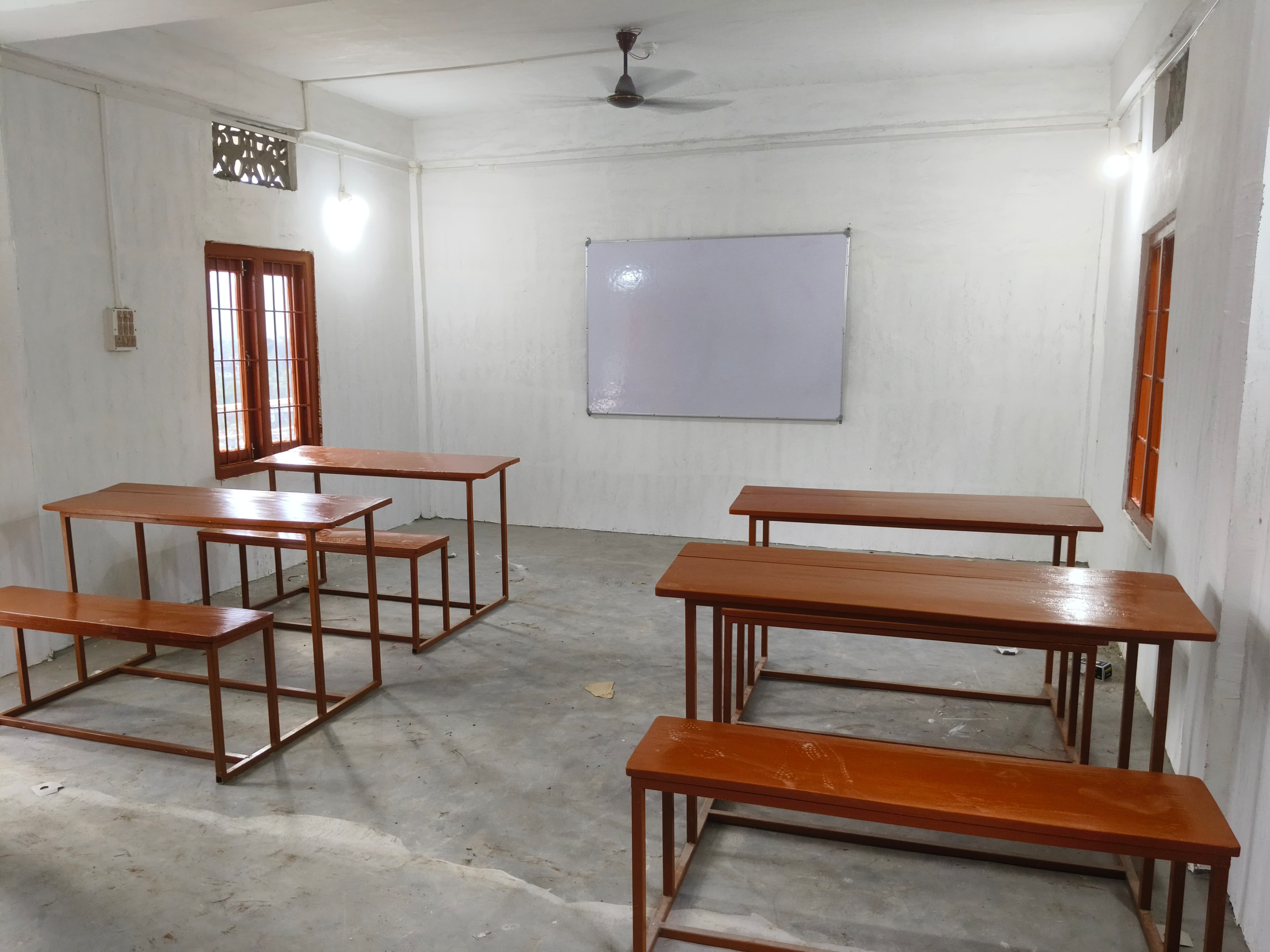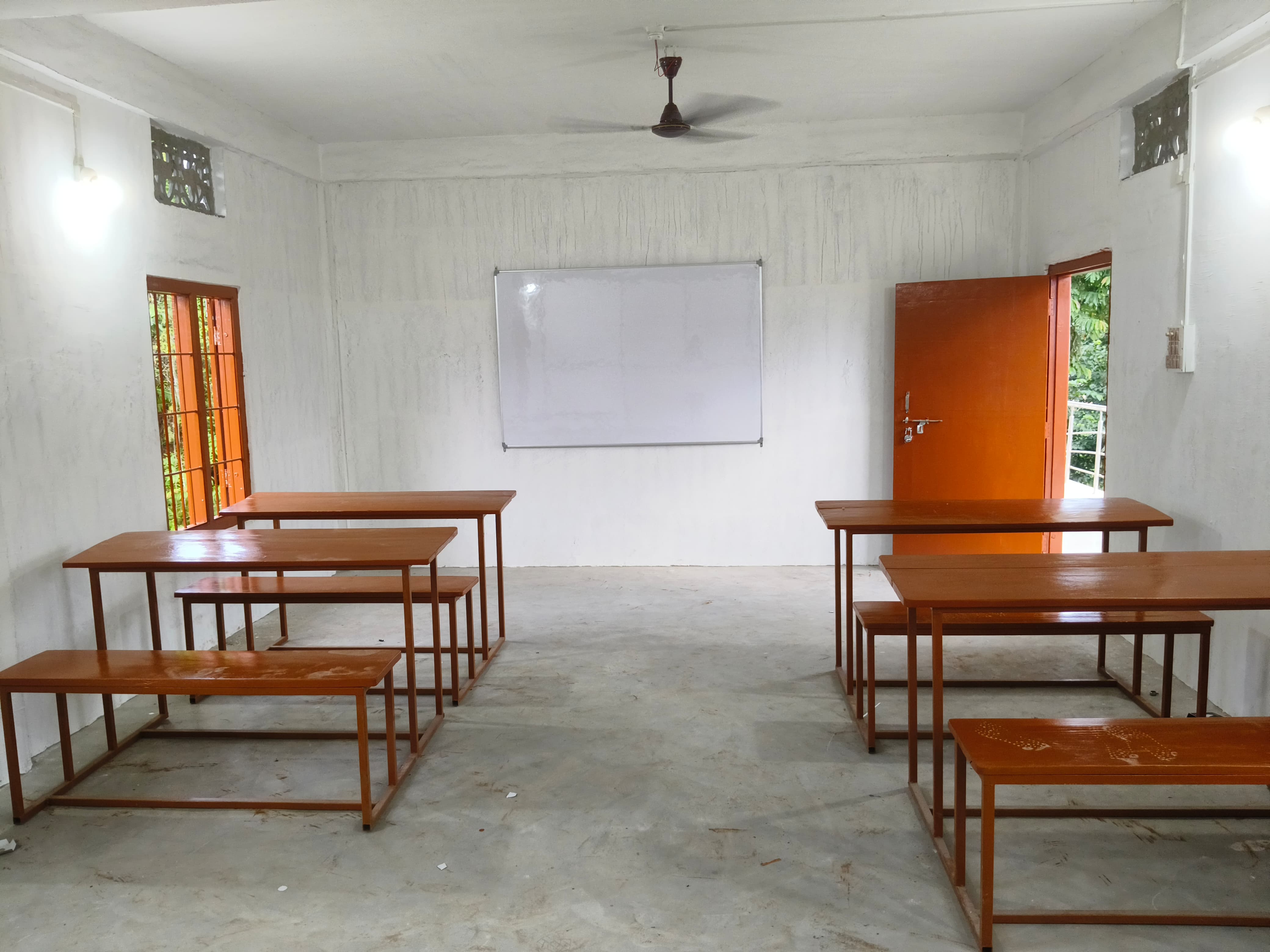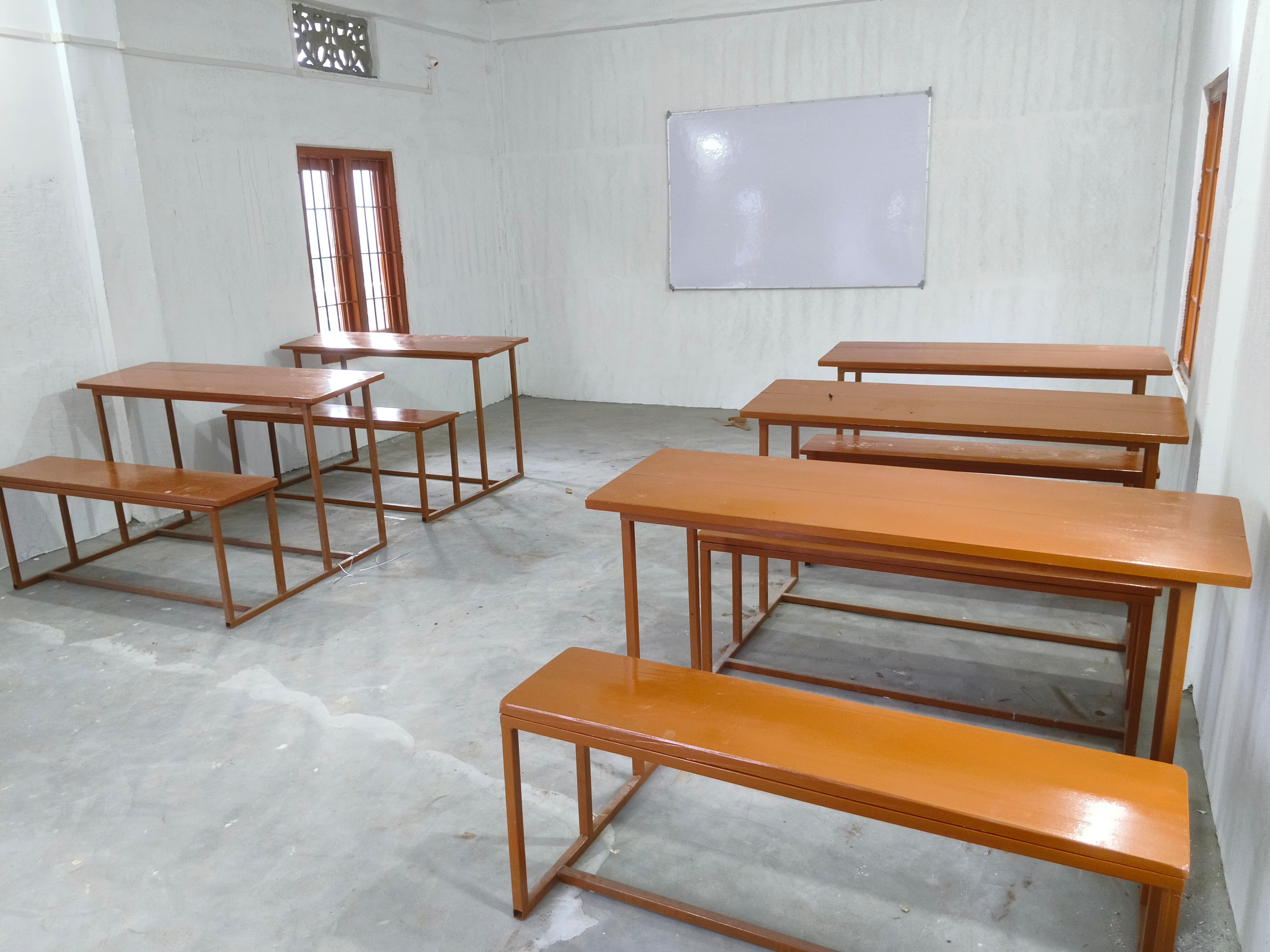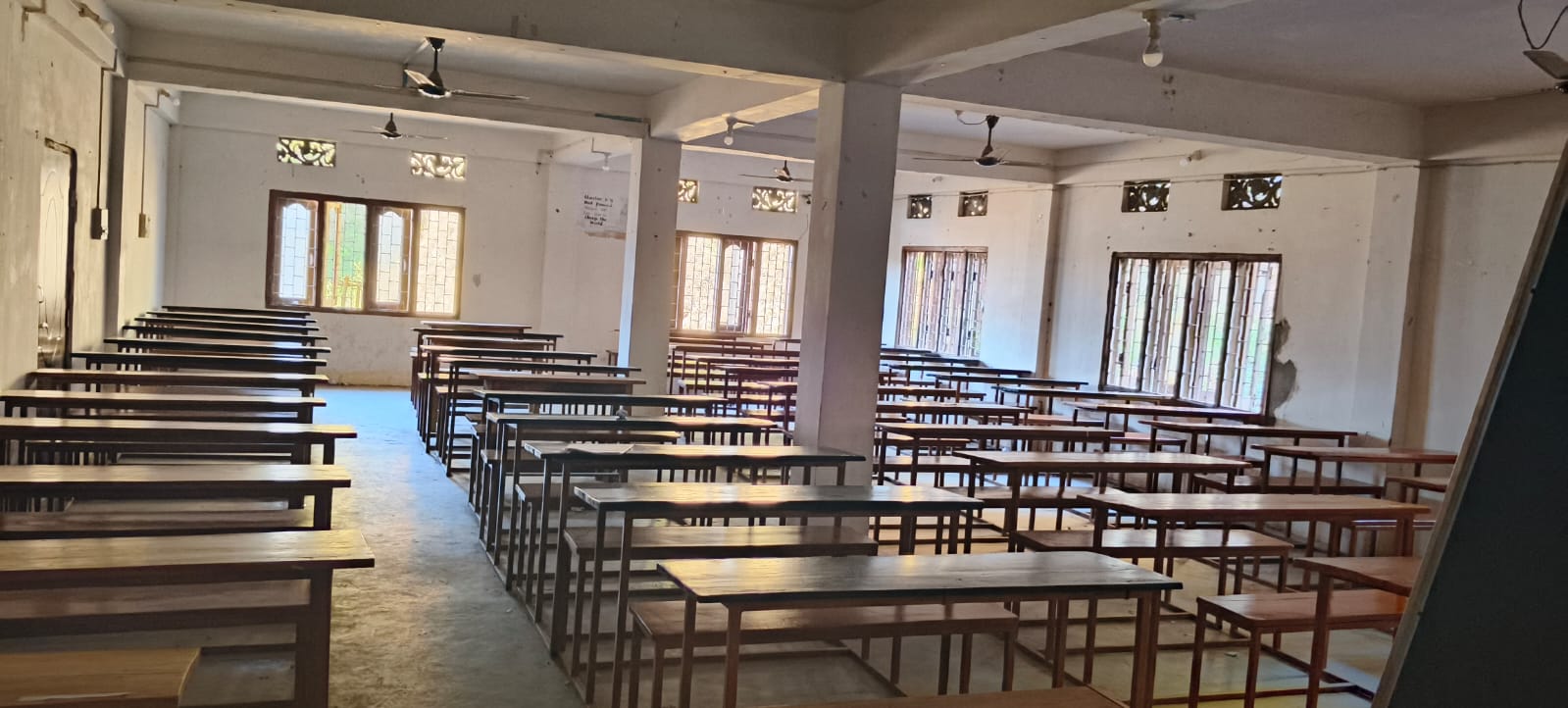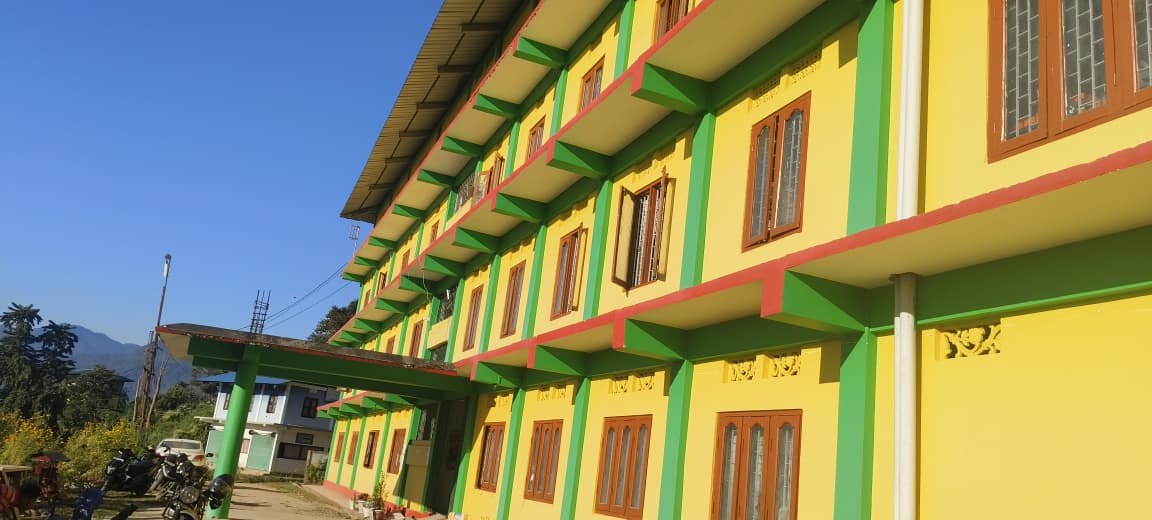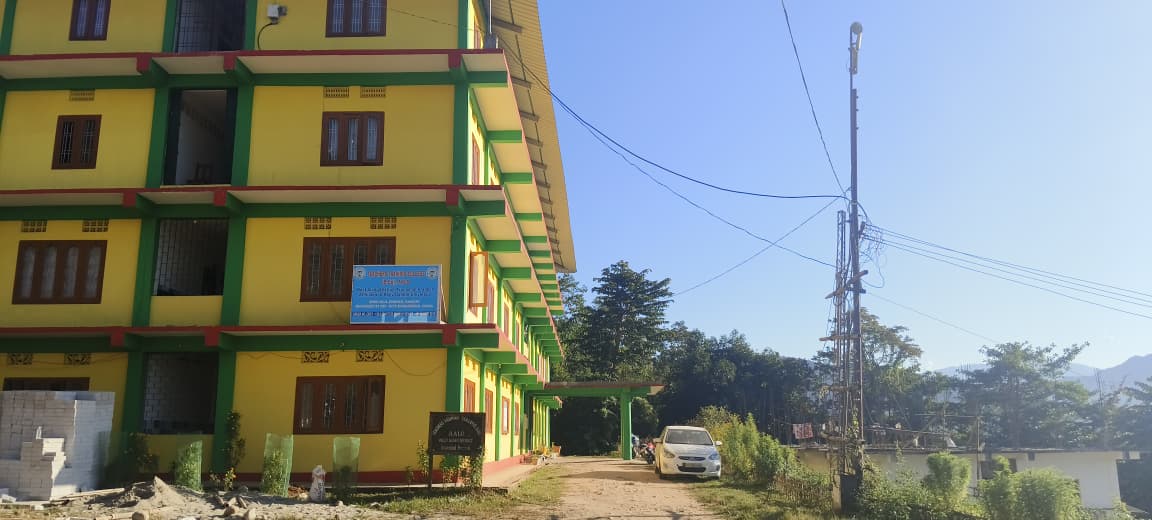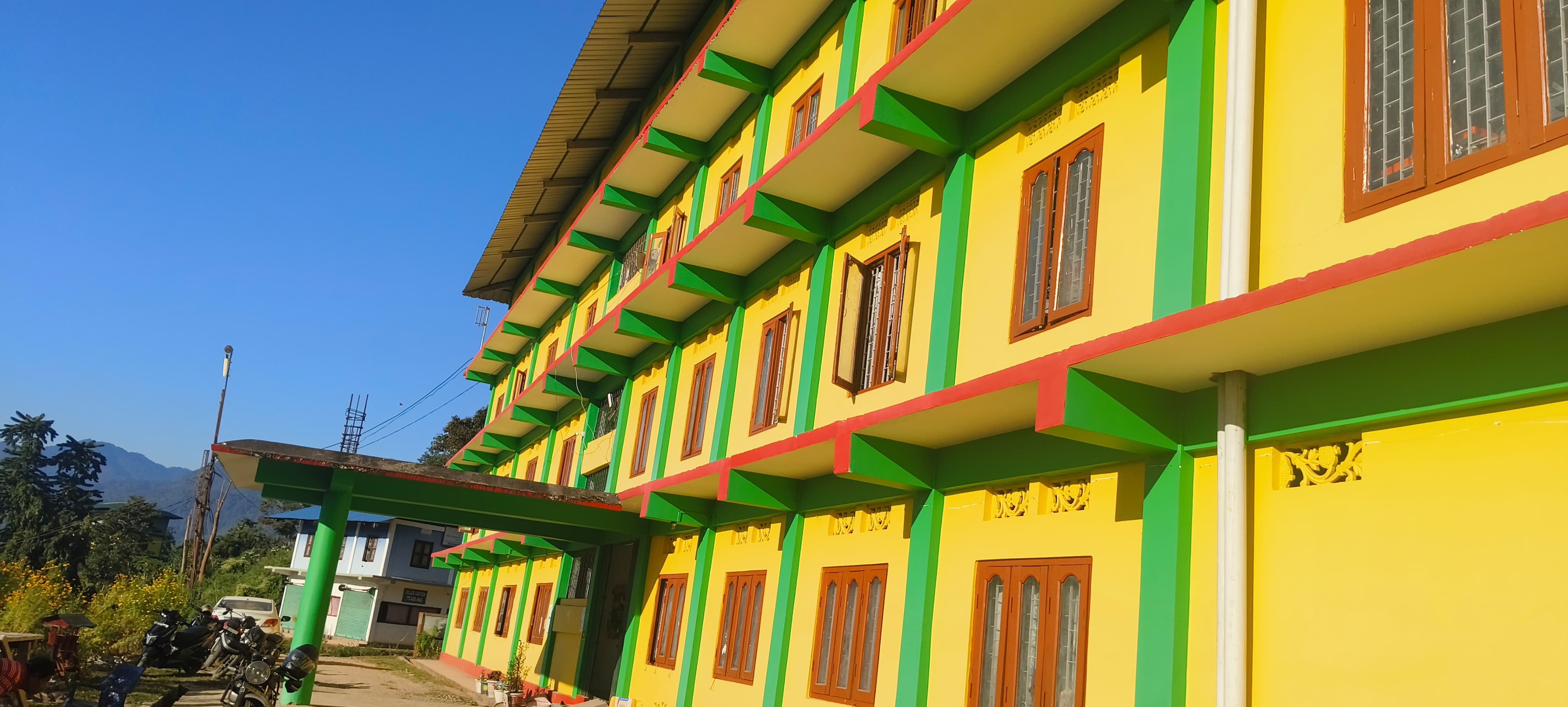


TTCAALO provides several amenities for its staff and students convenience. There is a nearby post office and a bank for the use by the college community as well as for the general public. The Cooperative Store makes items of everyday use available at discounted price and is run by the employees. The Health Center provides comprehensive health services for the college community.
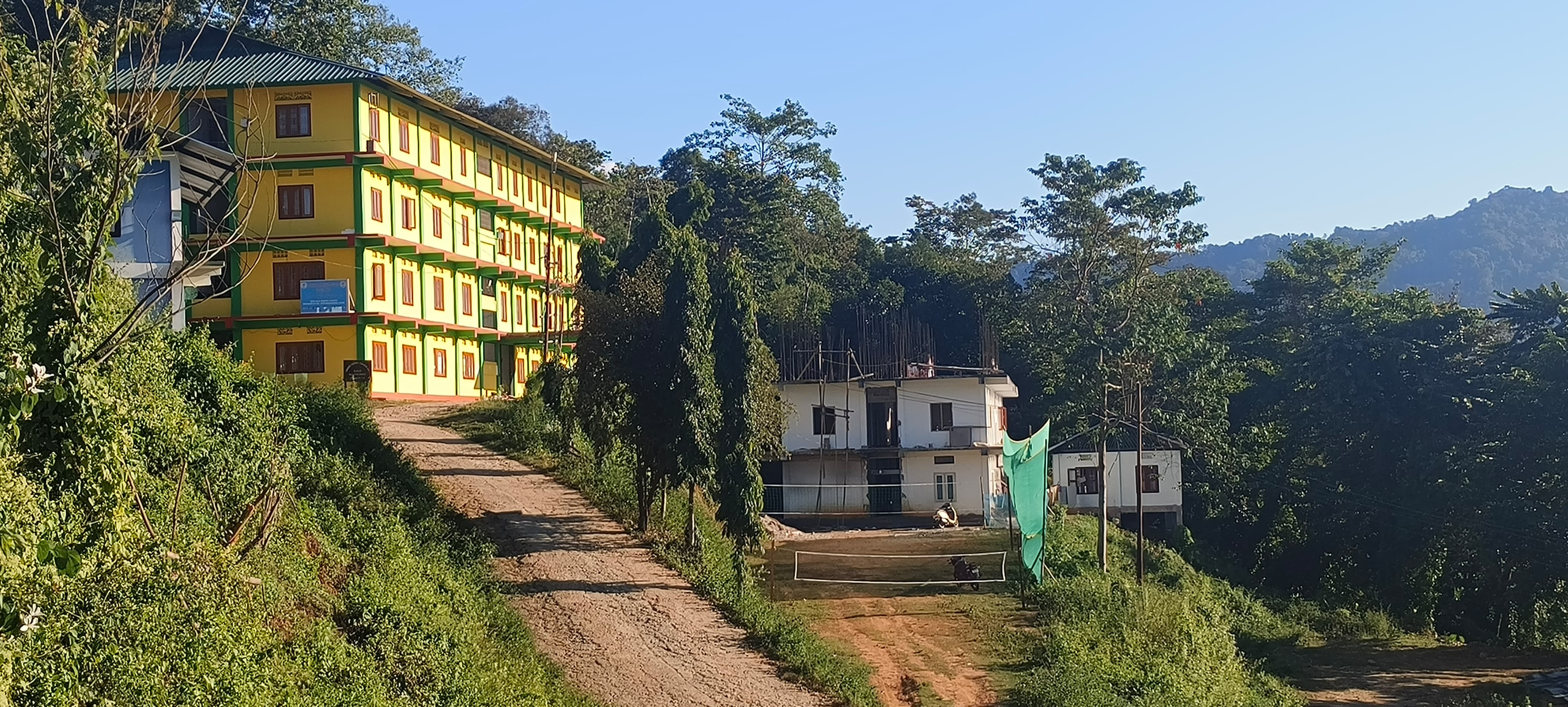
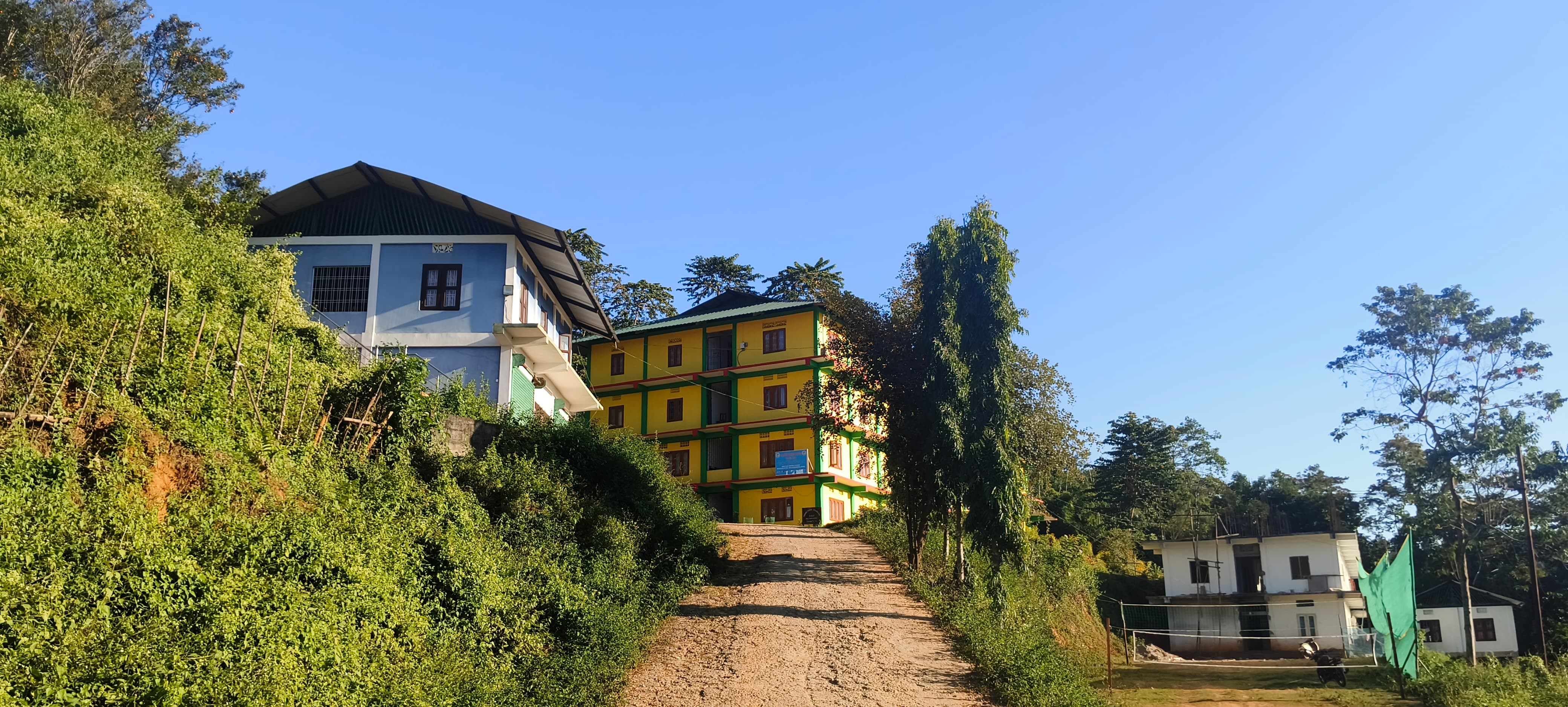
Teachers Training College B.Ed., Aalo is strategically ensconced on the picturesque Doi Ado Hills, an elevated terrain that endows the institution with an atmosphere of academic serenity and unperturbed scholastic engagement. The college campus is seamlessly linked to the district’s primary arterial route through a meticulously engineered 800-metre Reinforced Cement Concrete (RCC) access road, ensuring durable, all-weather connectivity for students, faculty, administrative personnel and logistical operations.
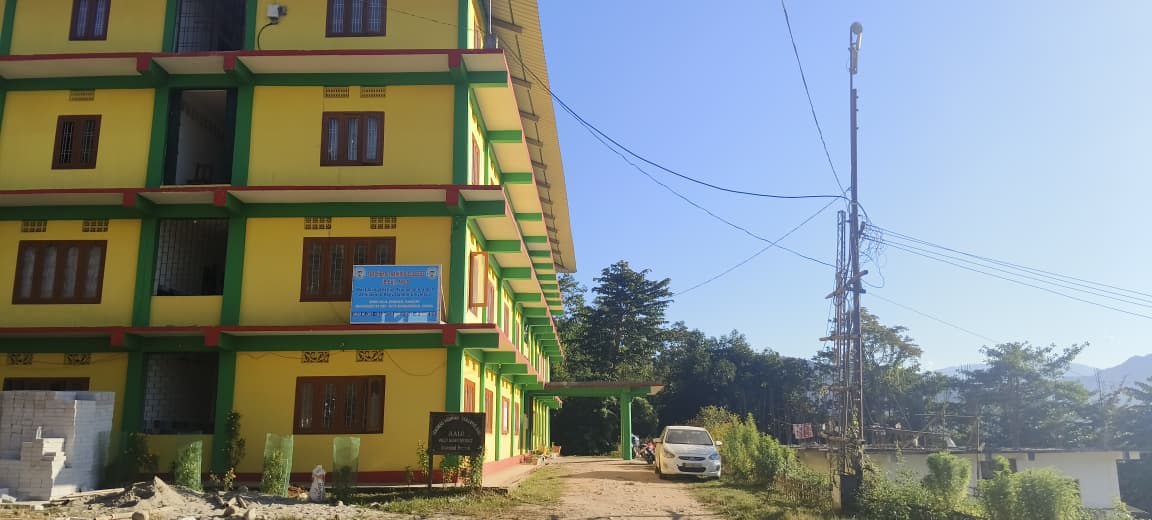
The institutional infrastructure constitutes a constellation of architecturally robust edifices, erected with due adherence to structural, seismic and safety protocols. The campus encompasses two five-storeyed monumental blocks, which serve as the principal hubs for instructional, administrative, and academic activities. In addition, a four-storeyed administrative-cum-academic structure houses specialized pedagogical units, resource centres, laboratories, faculty chambers, and administrative divisions. Complementing these are 2 more two-storeyed and three-storeyed ancillary buildings, functioning as seminar halls, smart classrooms, multipurpose units, student activity centres, staff quarters, Girls’ Hostel and essential service facilities.
The college is enveloped by an extensive expanse of verdant natural vegetation, characterised by thick shrubbery, mature arboreal species, and an ecologically undisturbed green belt. This natural buffer not only enhances the aesthetic ambience but also serves as an environmental shield, maintaining a salubrious micro-climate that remains consistently cool, calm, and invigorating throughout the year. Its hill-crest location, far removed from the chaotic humdrum and cacophonous disturbances of urban agglomerations, places the institution metaphorically “in the lap of pristine nature.”
The tranquility, coupled with minimal anthropogenic interference, creates a conducive environment for cerebral engagement, reflective learning, and pedagogic innovation. The unique topographical advantage allows the campus to enjoy uninterrupted airflow, reduced pollution levels, and abundant natural illumination—factors that significantly augment learner well-being and academic productivity.
Together, these infrastructural assets form an integrated ecosystem that supports high-quality teacher education. The college’s spatial planning, environmental compatibility, and structural adequacy reinforce its stature as a premier centre for professional teacher preparation in West Siang District. With its distinctive blend of natural splendour and modern infrastructure, Teachers Training College B.Ed., Aalo stands as an exemplary institution, dedicated to nurturing future educators within an ambience of tranquility, dignity, and academic excellence.
1. Classrooms & Academic Blocks
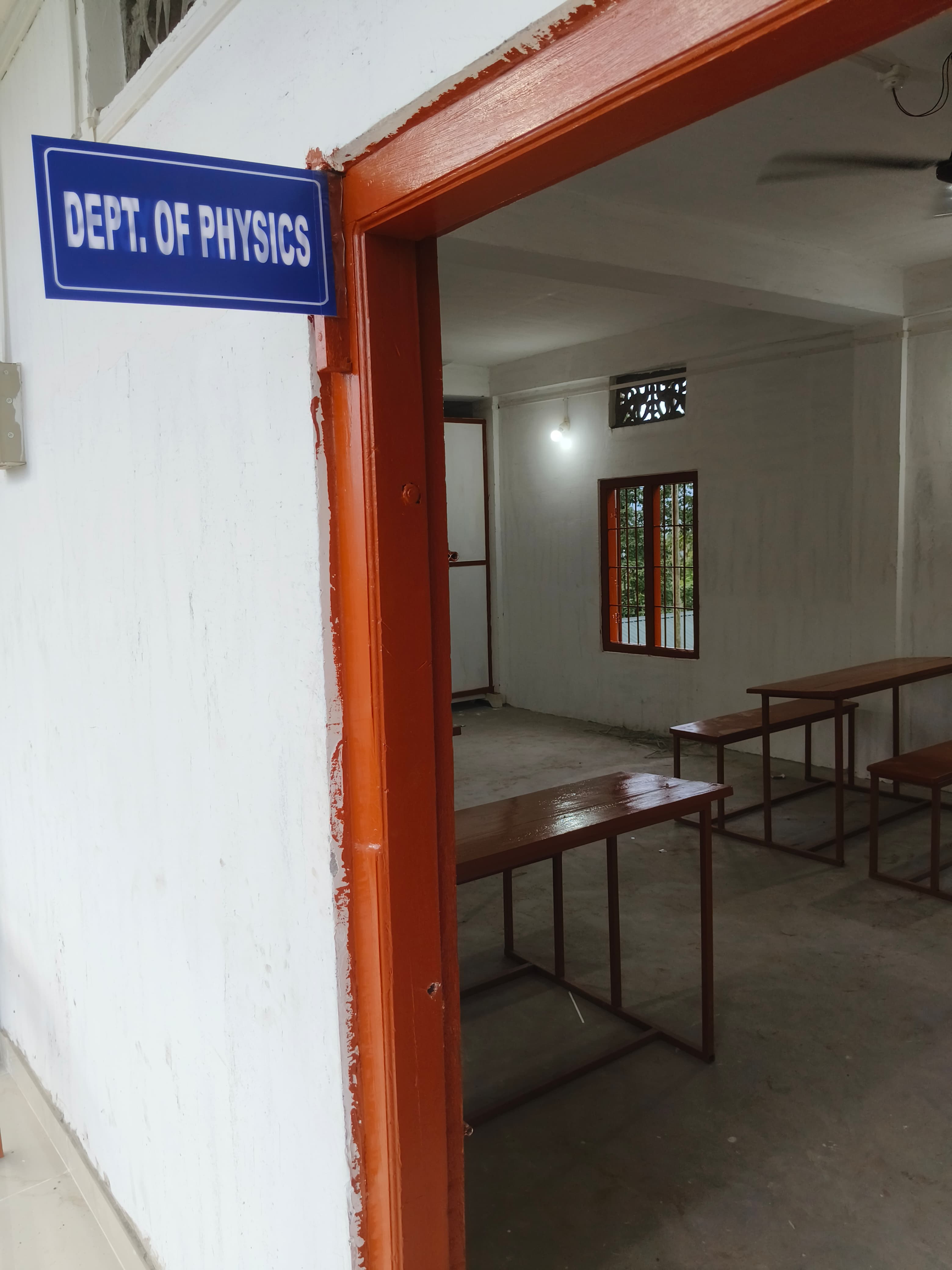
The classrooms and academic blocks of Teachers Training College B.Ed., Aalo have been meticulously conceptualised to promote an intellectually stimulating and ergonomically compatible learning milieu. Each classroom is architecturally designed to ensure optimum natural illumination, cross-ventilation, and acoustic stability, thereby reducing cognitive fatigue and enhancing learner receptivity. The seating layout follows contemporary pedagogic ergonomics, enabling flexible instructional arrangements such as collaborative clusters, seminar-style seating, or lecture-centric configurations. The two five-storeyed academic edifices serve as the institutional nucleus, comprising spacious classrooms, tutorial rooms, departmental chambers, and pedagogical resource units. These structures are constructed as per modern seismic-resilience norms, adopting RCC frameworks and safety-compliant architectural principles. Smart classrooms are equipped with interactive boards, projection systems, digital consoles, and ICT-enabled teaching modules, ensuring seamless integration of technology with instruction. Each academic floor houses dedicated pedagogical support units including reading alcoves, discussion corners, micro-teaching rooms, and mentoring cubicles for personalised academic assistance. Anti-glare flooring, thermal-resistant roofing, and sound-attenuating materials further fortify the scholastic ambience. The academic blocks are fully accessible, with wide stairwells, handrails, and strategically planned circulation corridors that allow smooth mobility of students and faculty. Collectively, these provisions transform the classroom environment into a holistic academic habitat, fostering critical inquiry, intellectual discourse, and pedagogic innovation.
2. Library & Learning Resource Centre
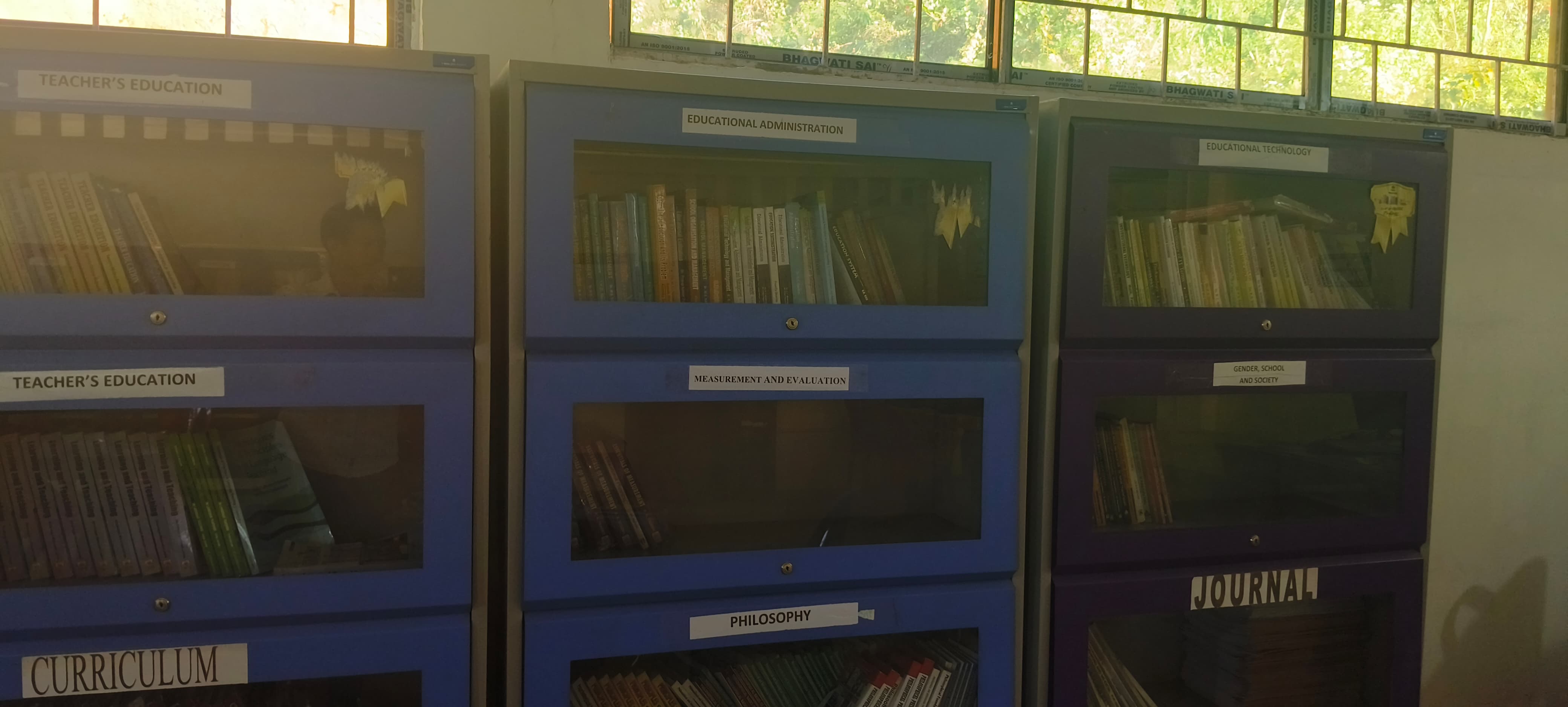
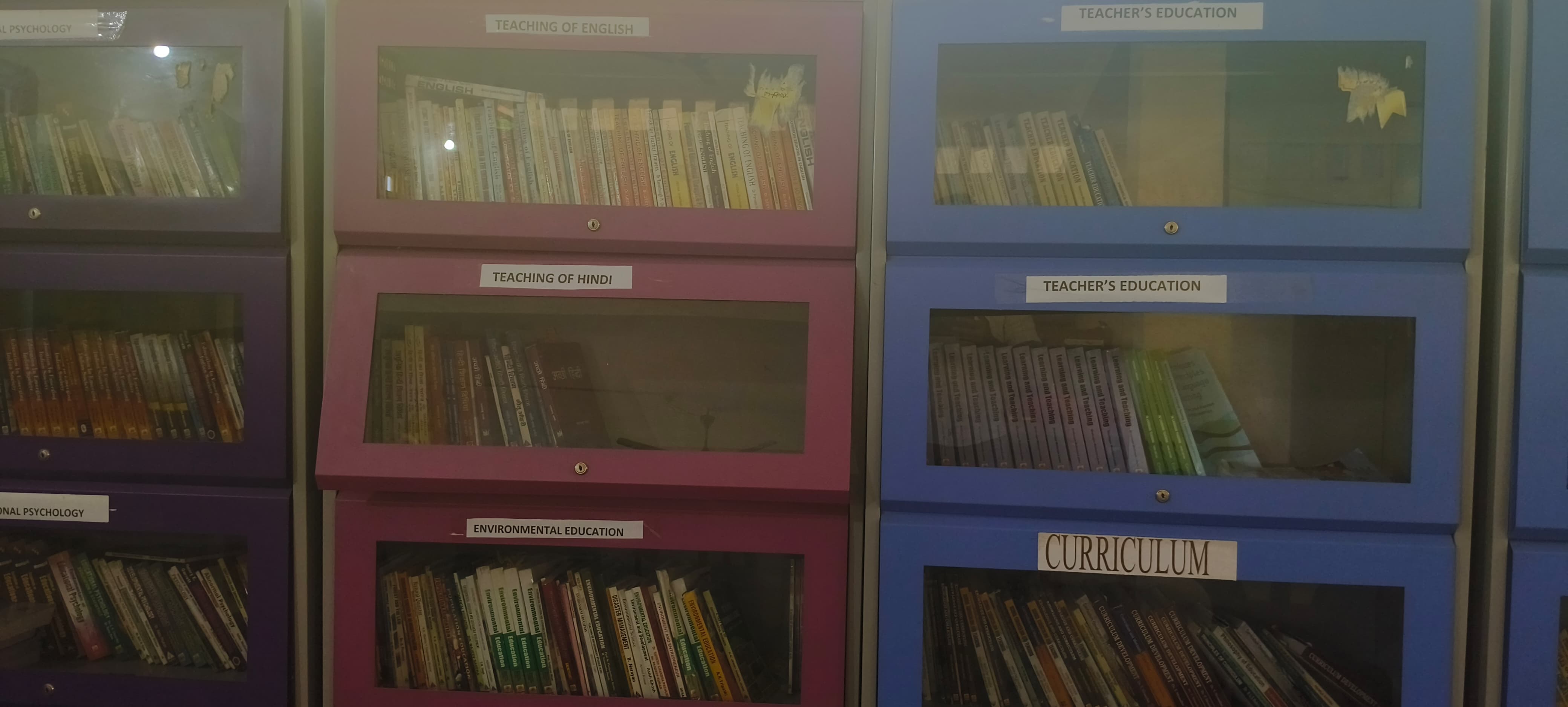
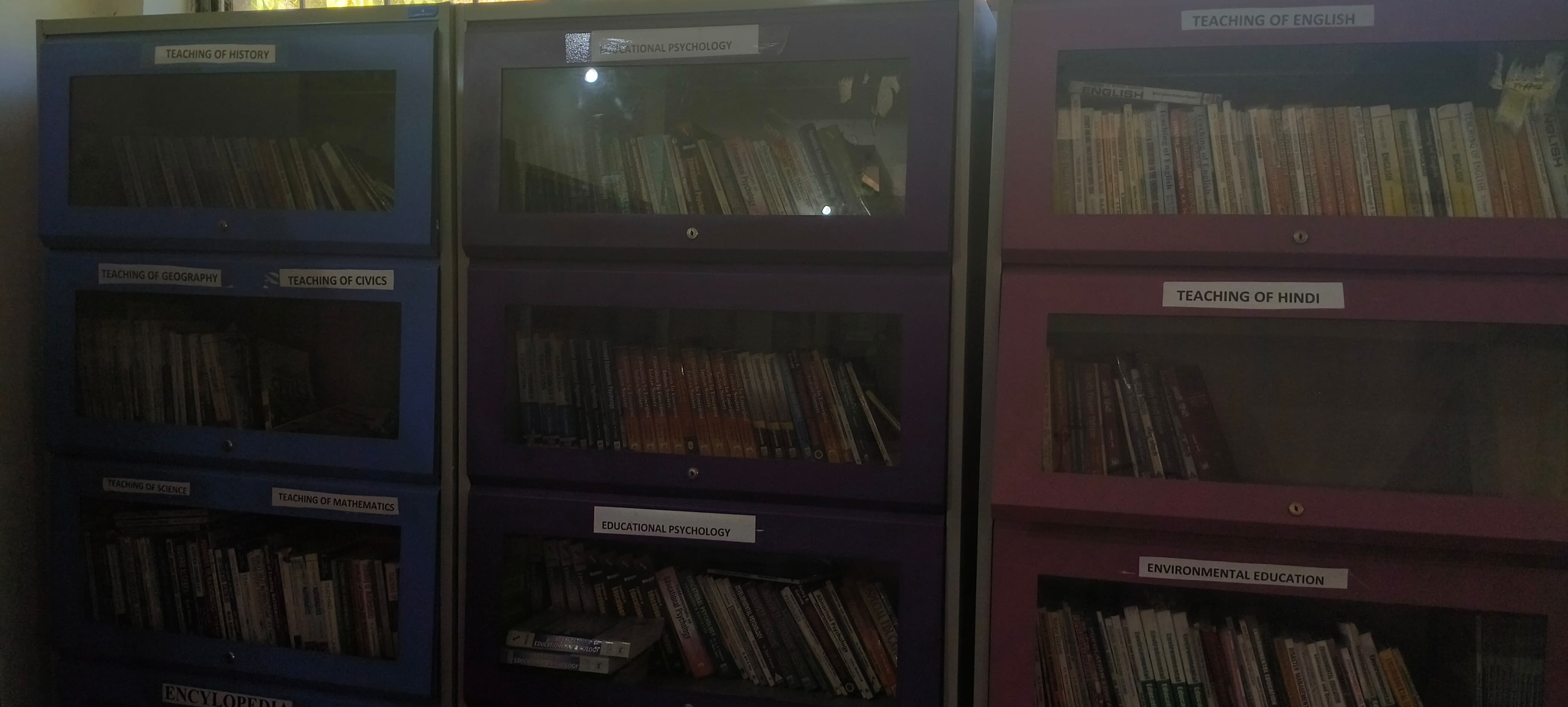
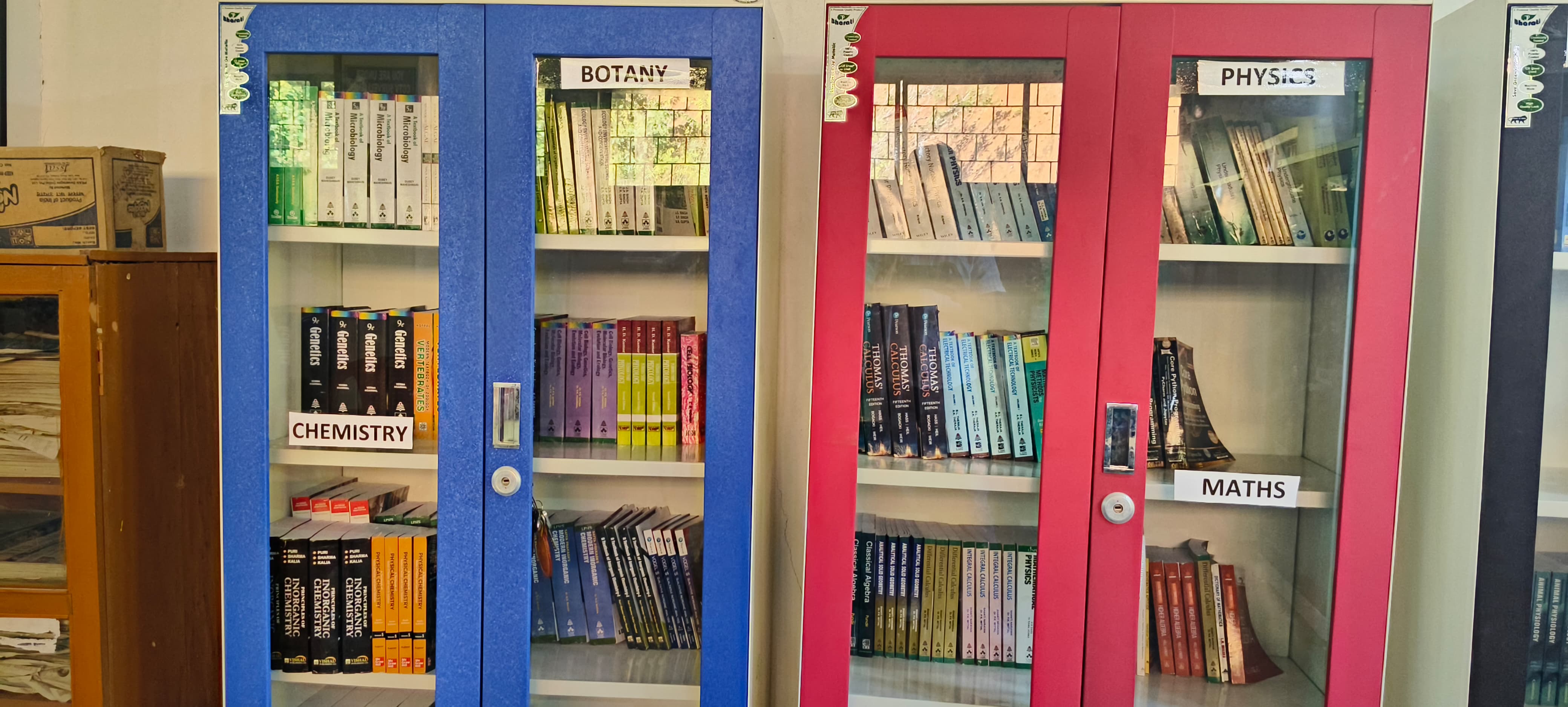
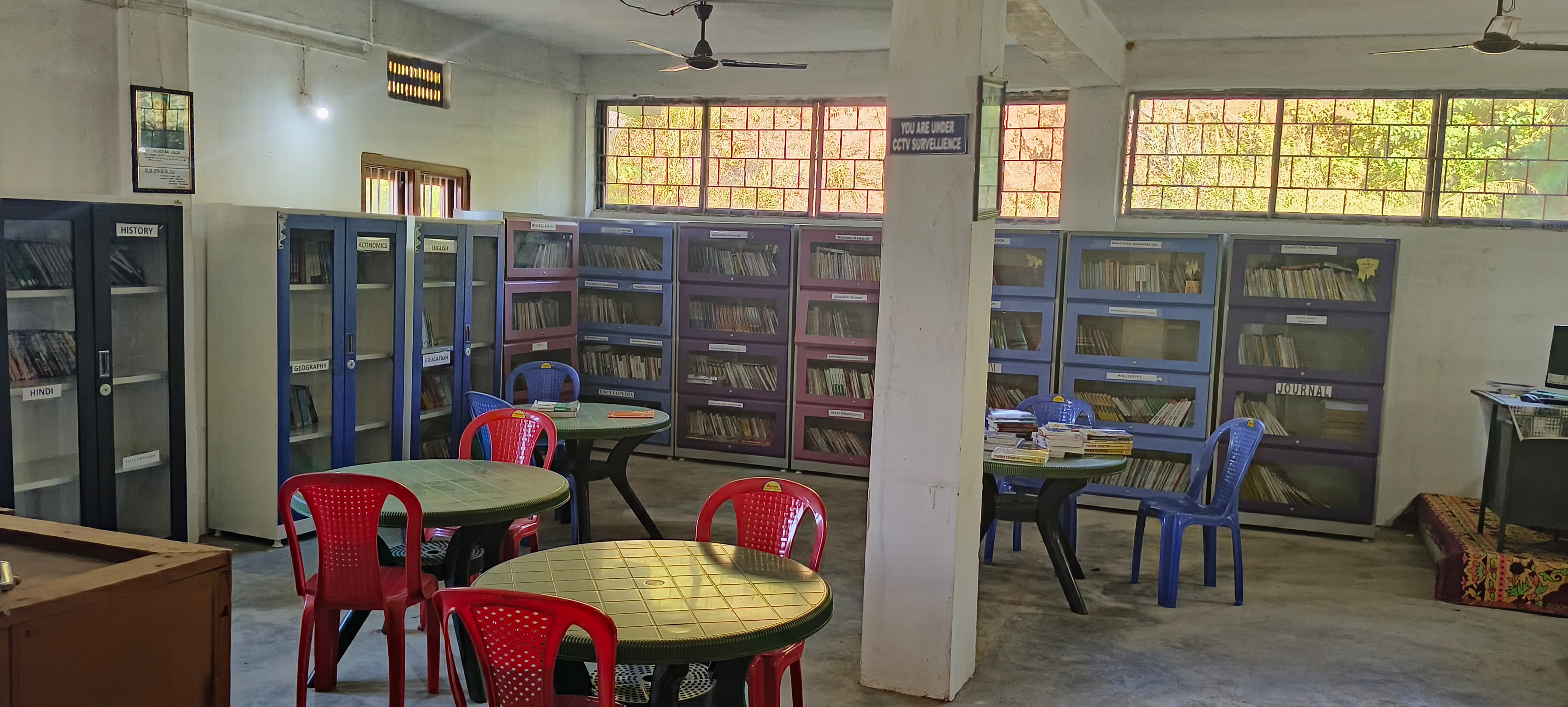
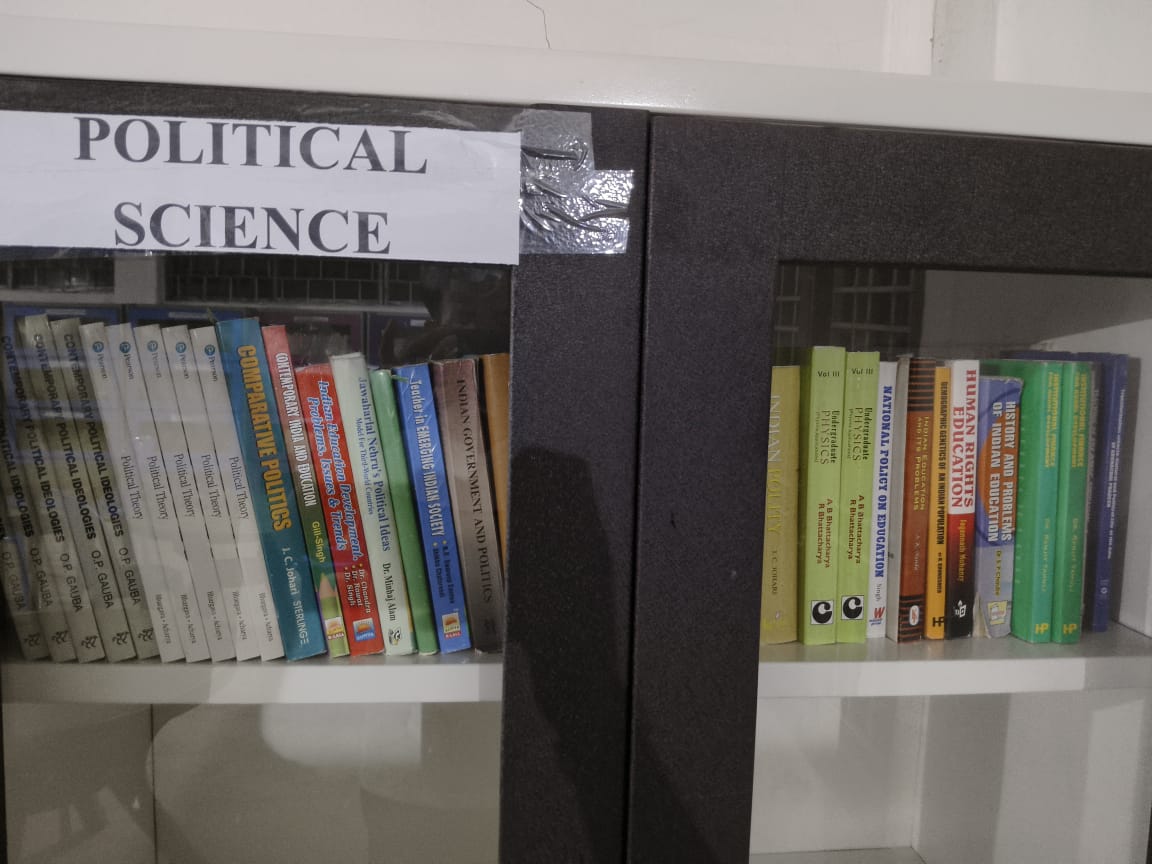
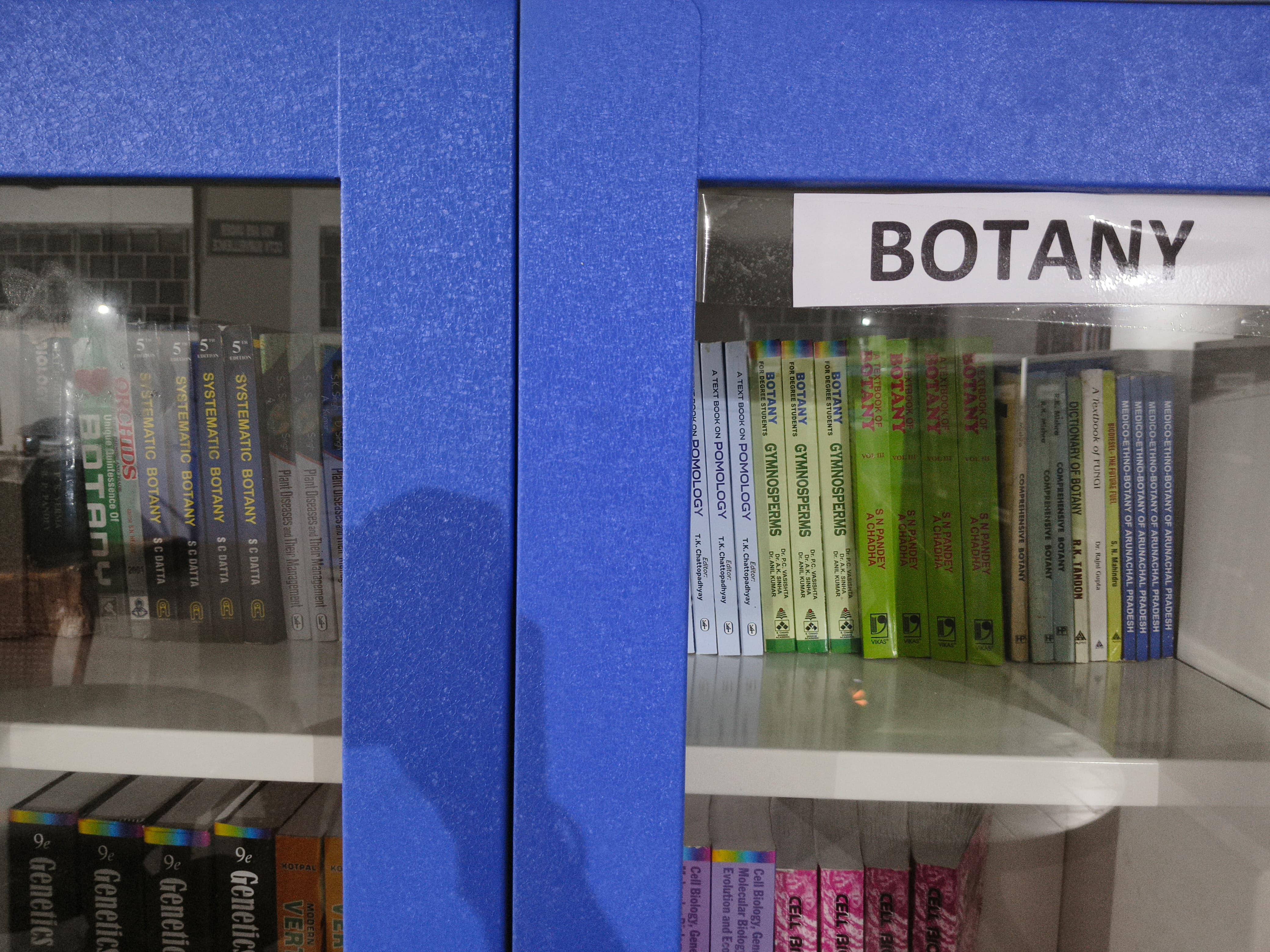
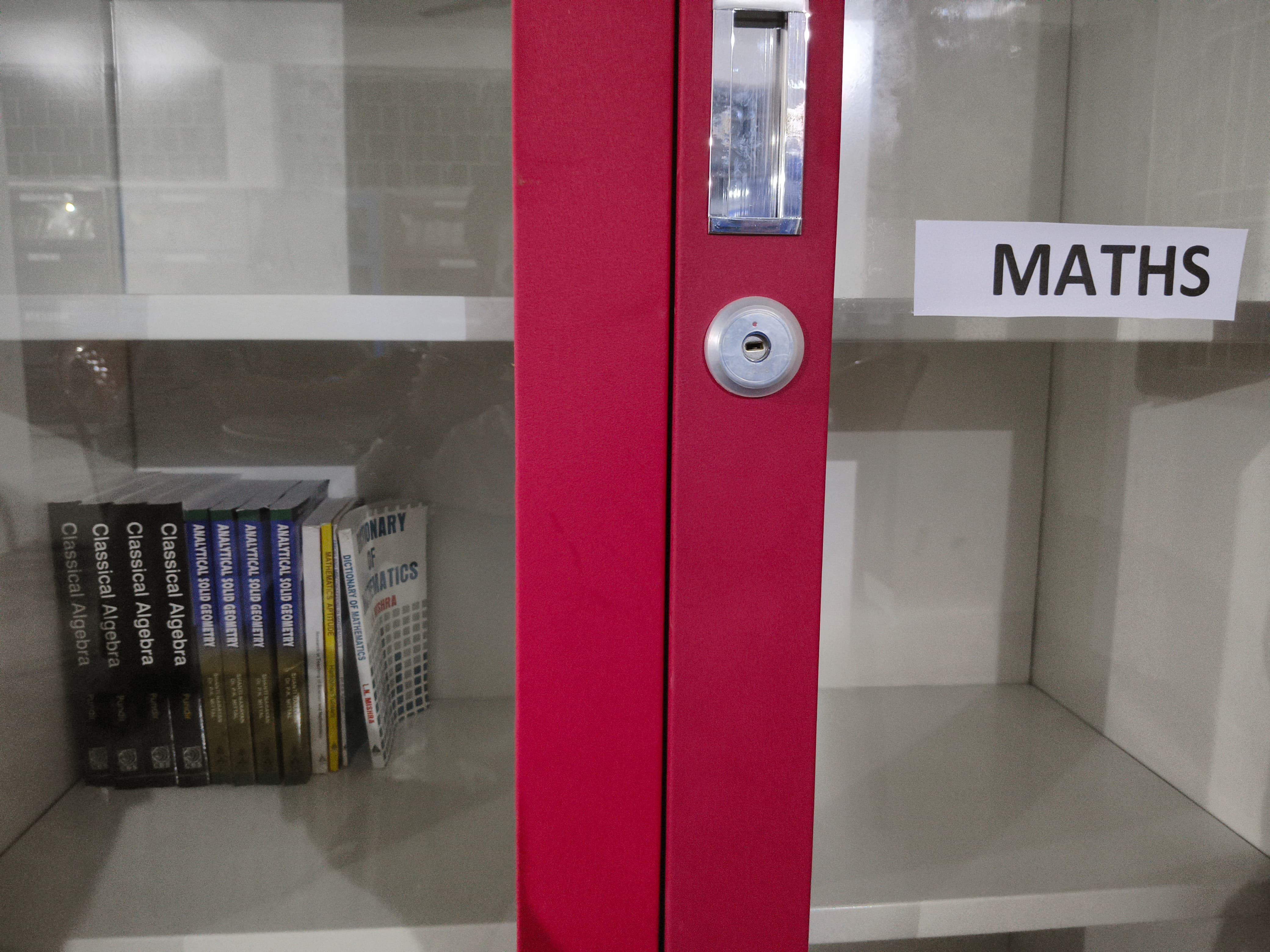
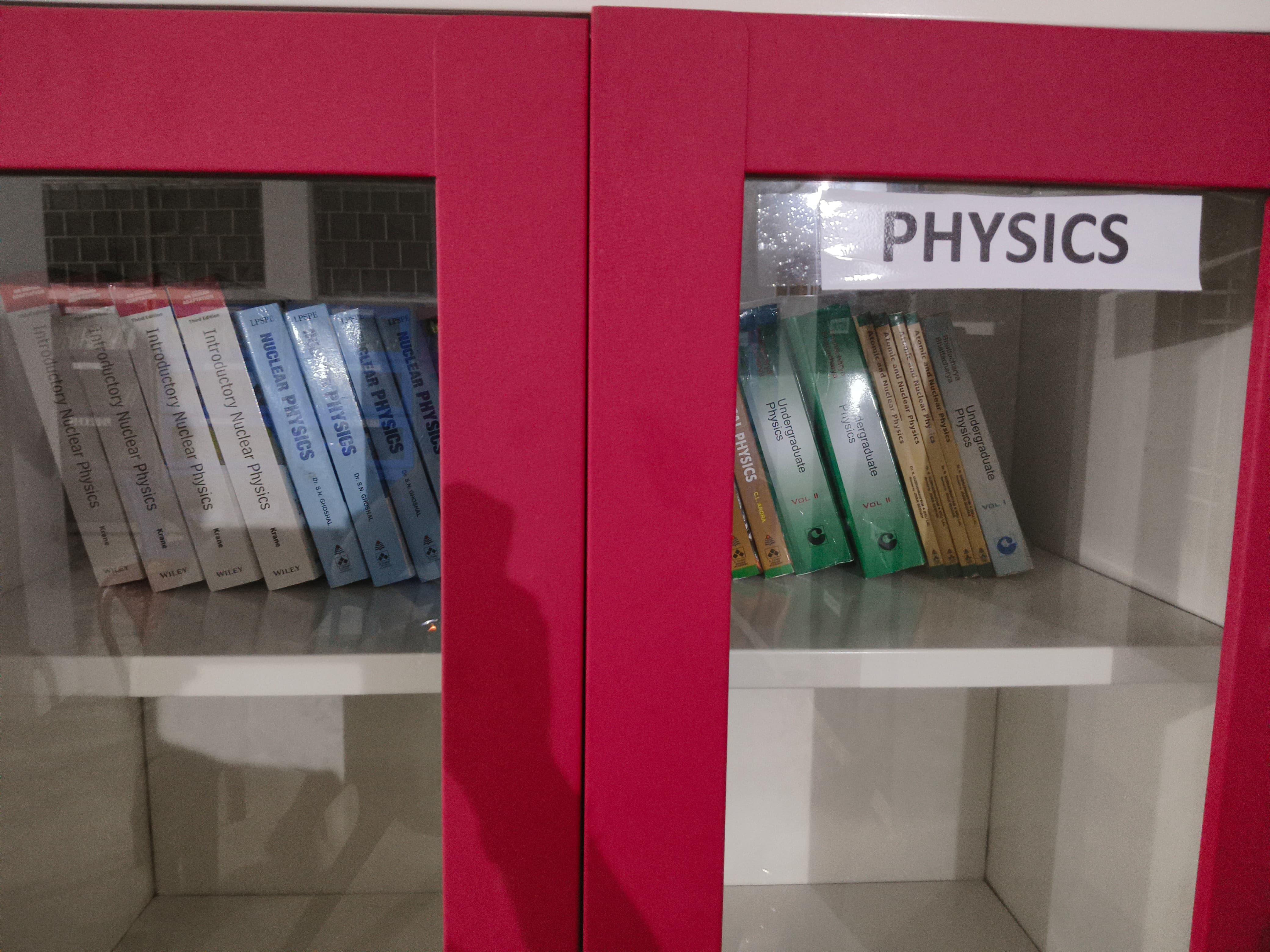
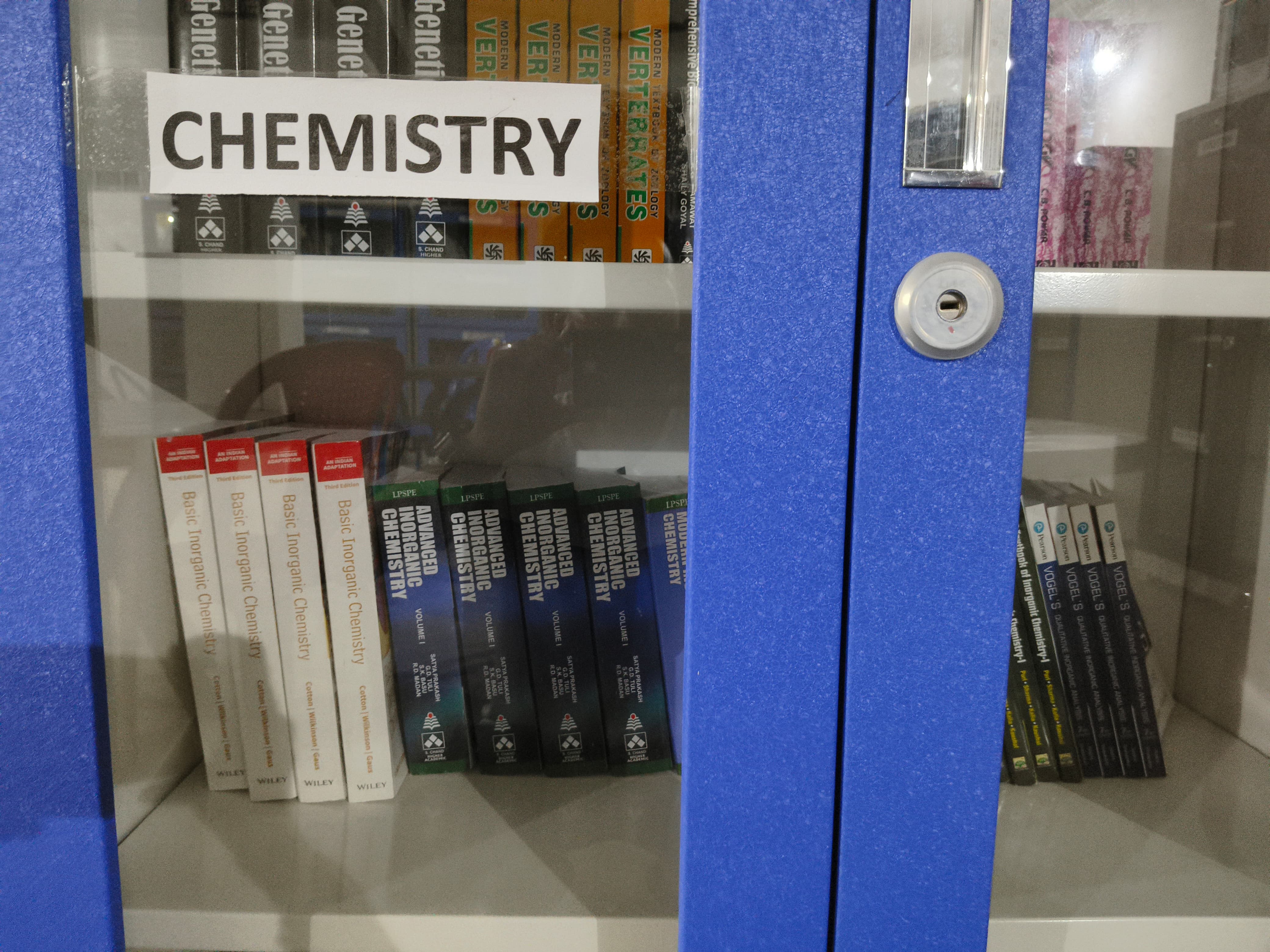
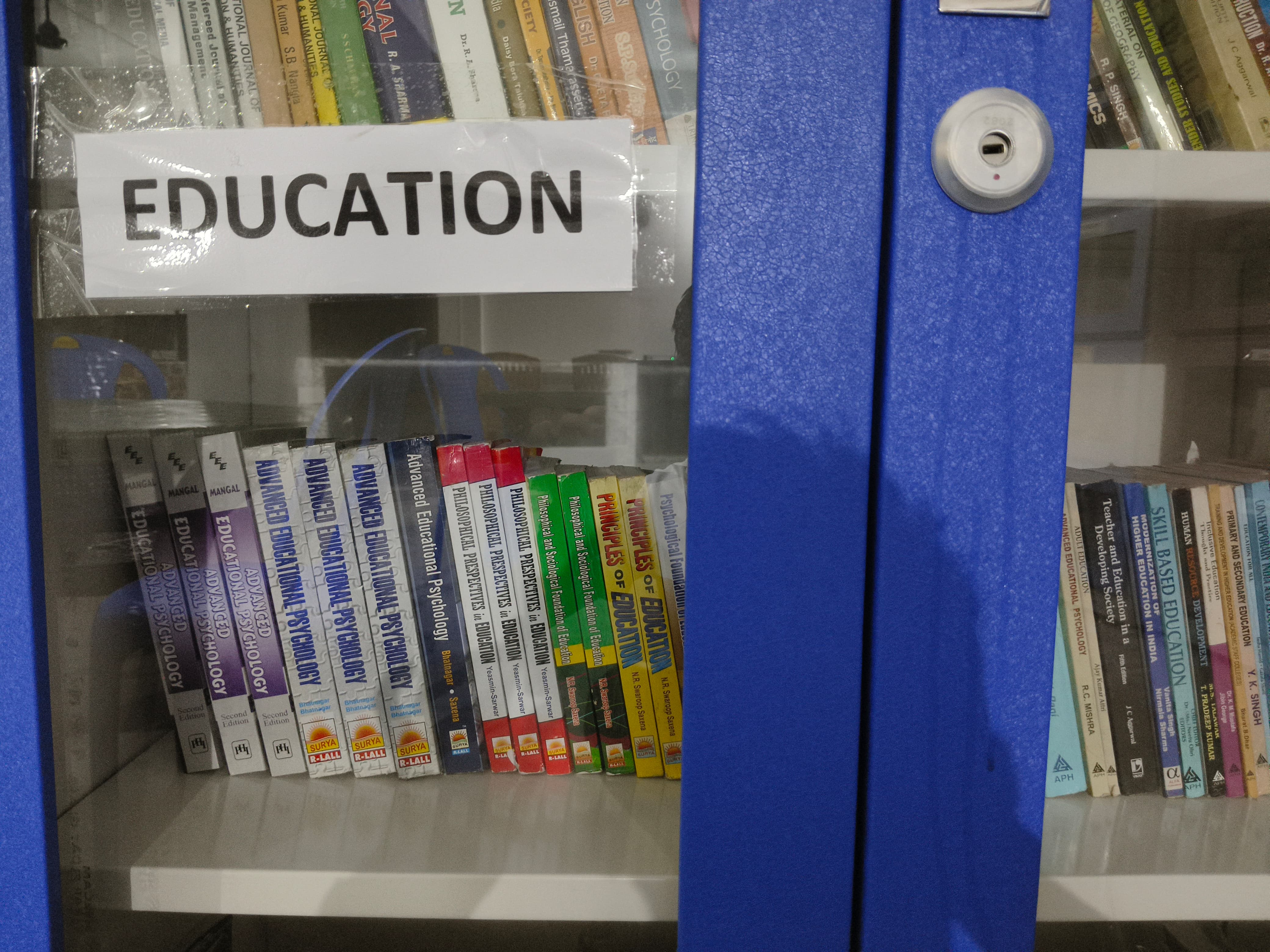
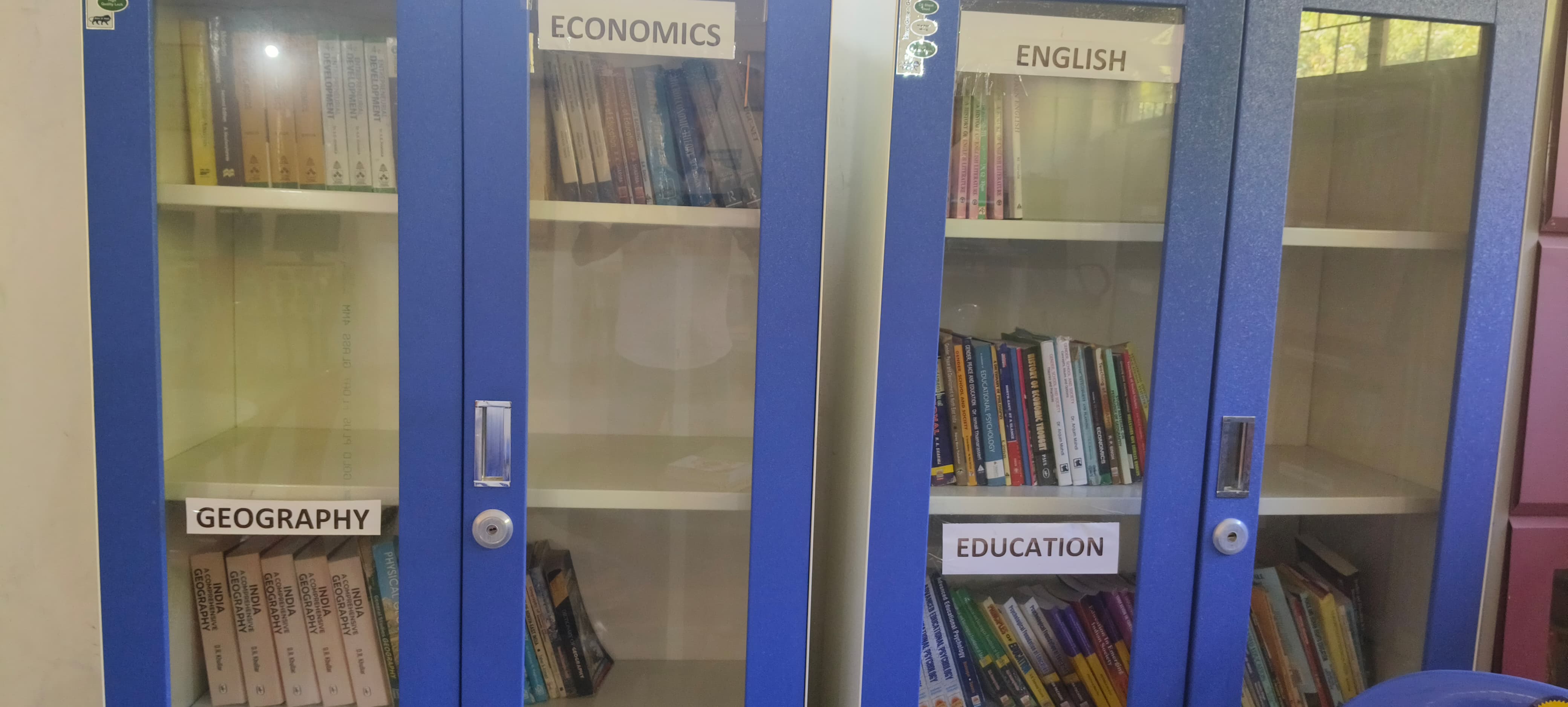
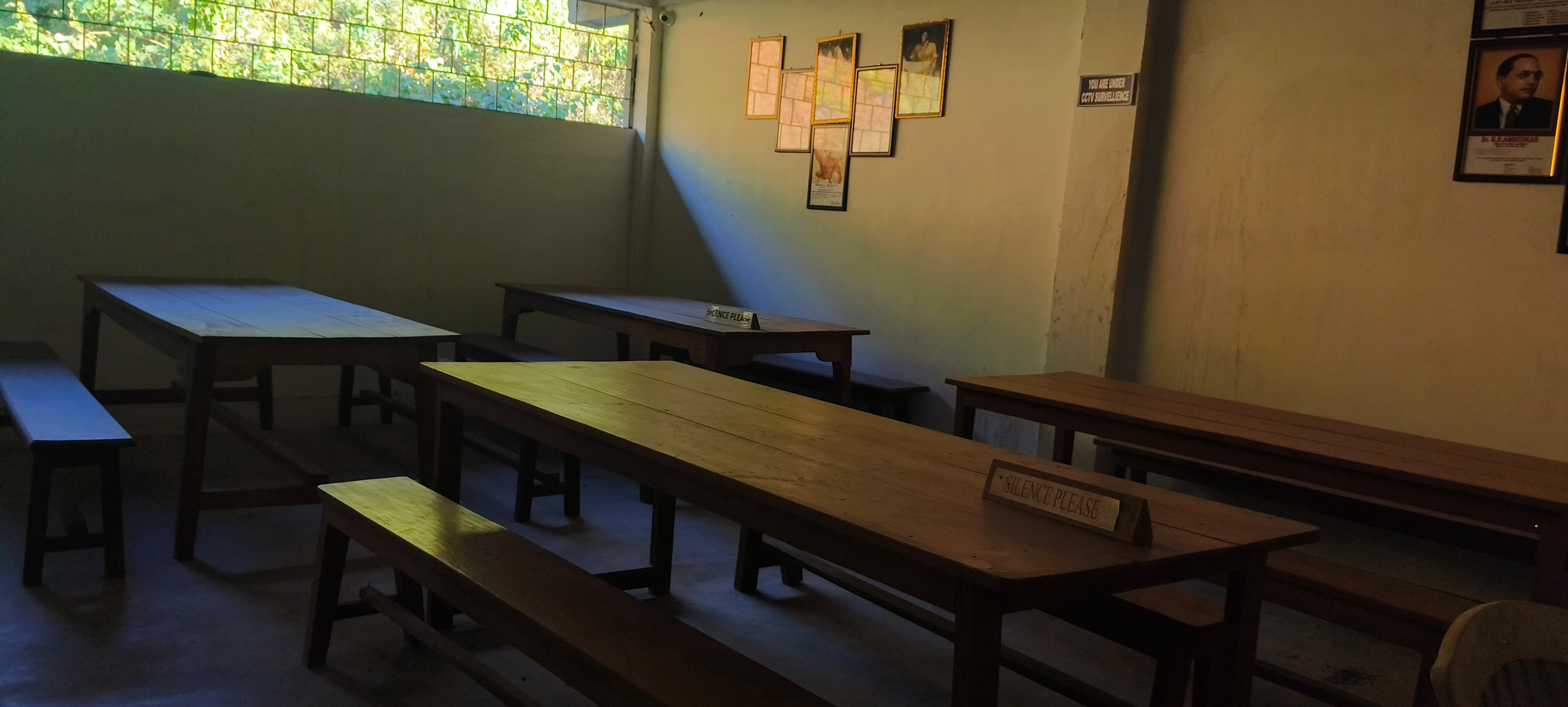
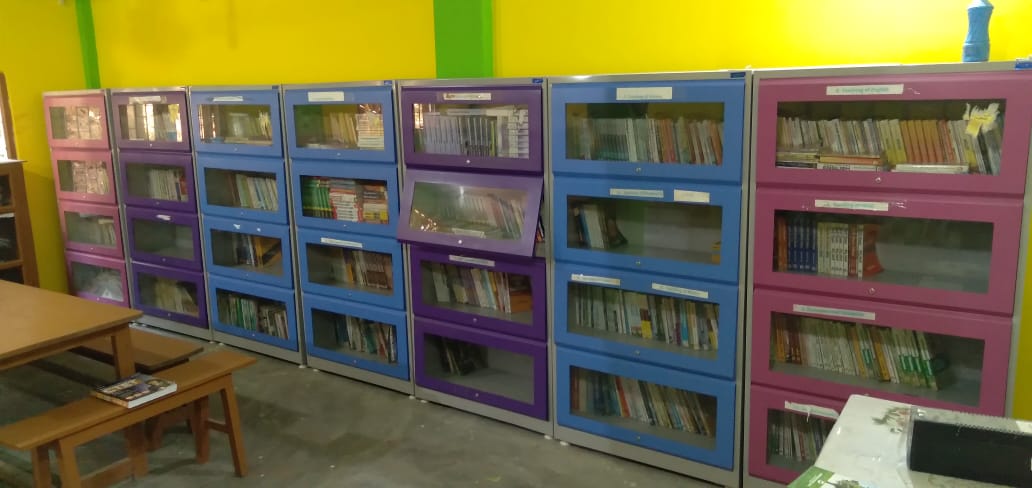
The Library and Learning Resource Centre (LLRC) of the college functions as the intellectual nerve centre of the institution, providing comprehensive access to academic literature, digital repositories, and scholarly resources essential for teacher education. The library is housed in a well-structured, thermally balanced, and acoustically refined block, enabling a tranquil atmosphere ideal for uninterrupted study and research engagement. The LLRC maintains an extensive compendium of textbooks, reference materials, educational encyclopaedia, handbooks, monographs, policy documents, NCTE publications, curriculum frameworks, and research journals in both print and digital formats. The facility incorporates computer-assisted cataloguing and an automated circulation system (OPAC), facilitating user-friendly access to bibliographic databases. Dedicated reading zones—such as the silent study section, research scholars’ bay, collaborative reading enclave, and digital browsing corner—provide diversified learning spaces catering to different academic preferences. The digital wing is equipped with high-speed internet, e-journal access, and institutional subscriptions to reputed academic databases. The library also houses a repository of previous research projects, dissertations, action research reports, and teaching-learning materials developed by faculty and trainees. Regular orientation programmes, bibliographic instruction sessions, and resource-literacy workshops are conducted to enhance students’ academic and research proficiency. Functioning as both a knowledge repository and a scholarly incubator, the LLRC significantly strengthens the academic fabric of the College.
3. ICT & Digital Infrastructure
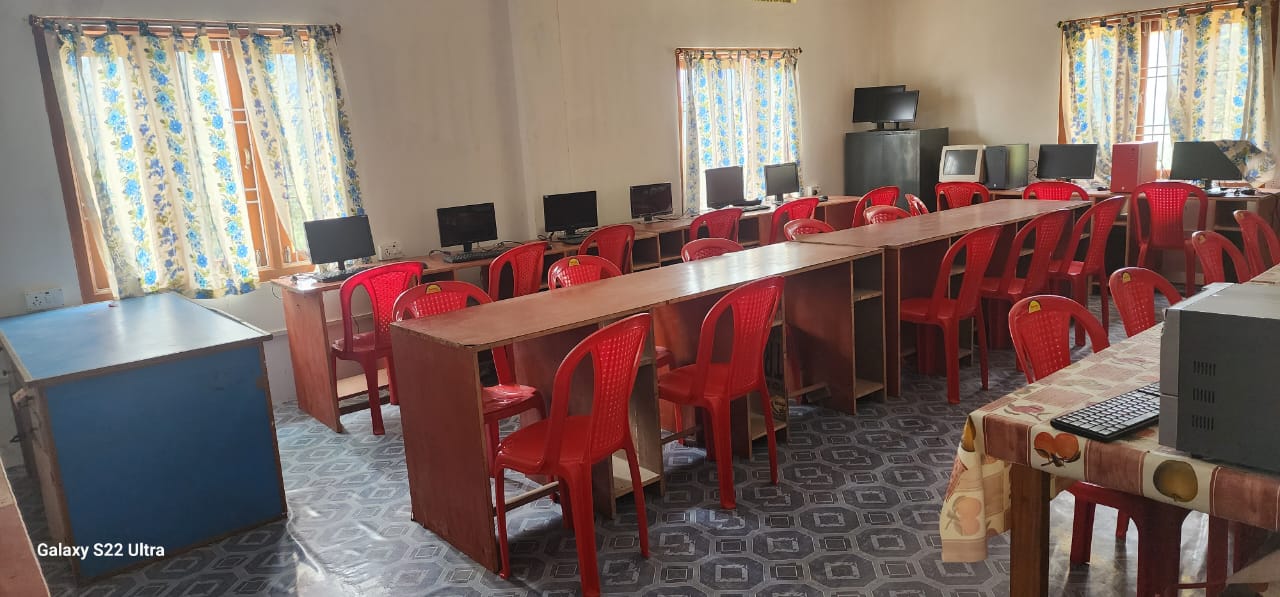
The ICT and digital infrastructure of Teachers Training College B.Ed., Aalo has been developed to align with contemporary e-pedagogy, digital resource utilisation, and technologically empowered teaching-learning methodologies. The institution maintains multiple ICT laboratories equipped with advanced computer systems, high-processing workstations, LAN connectivity, Wi-Fi coverage, multifunction printers, digital scanning stations, and interactive teaching tools. Smart classrooms feature multimedia projectors, digital panels, audio-amplification systems, and pedagogic software suites designed to strengthen tech-integrated instructional approaches. The campus network is reinforced with high-bandwidth broadband, secure cloud-based storage, and institutional email facilities to streamline academic communication, data management, and digital governance. Faculty members utilise Learning Management Systems (LMS) for dissemination of course materials, online assessments, micro-teaching uploads, and digital resource sharing. ICT training modules are regularly conducted to enhance digital literacy among trainee-teachers, preparing them to integrate audiovisual aids, online pedagogic tools, and virtual learning systems in future classroom settings. The institution maintains dedicated ICT maintenance units, cybersecurity protocols, and data-backup mechanisms to ensure uninterrupted digital operations. This robust technological ecosystem strengthens the College’s capacity to operate as a digitally enabled hub of teacher education.
4. Laboratories
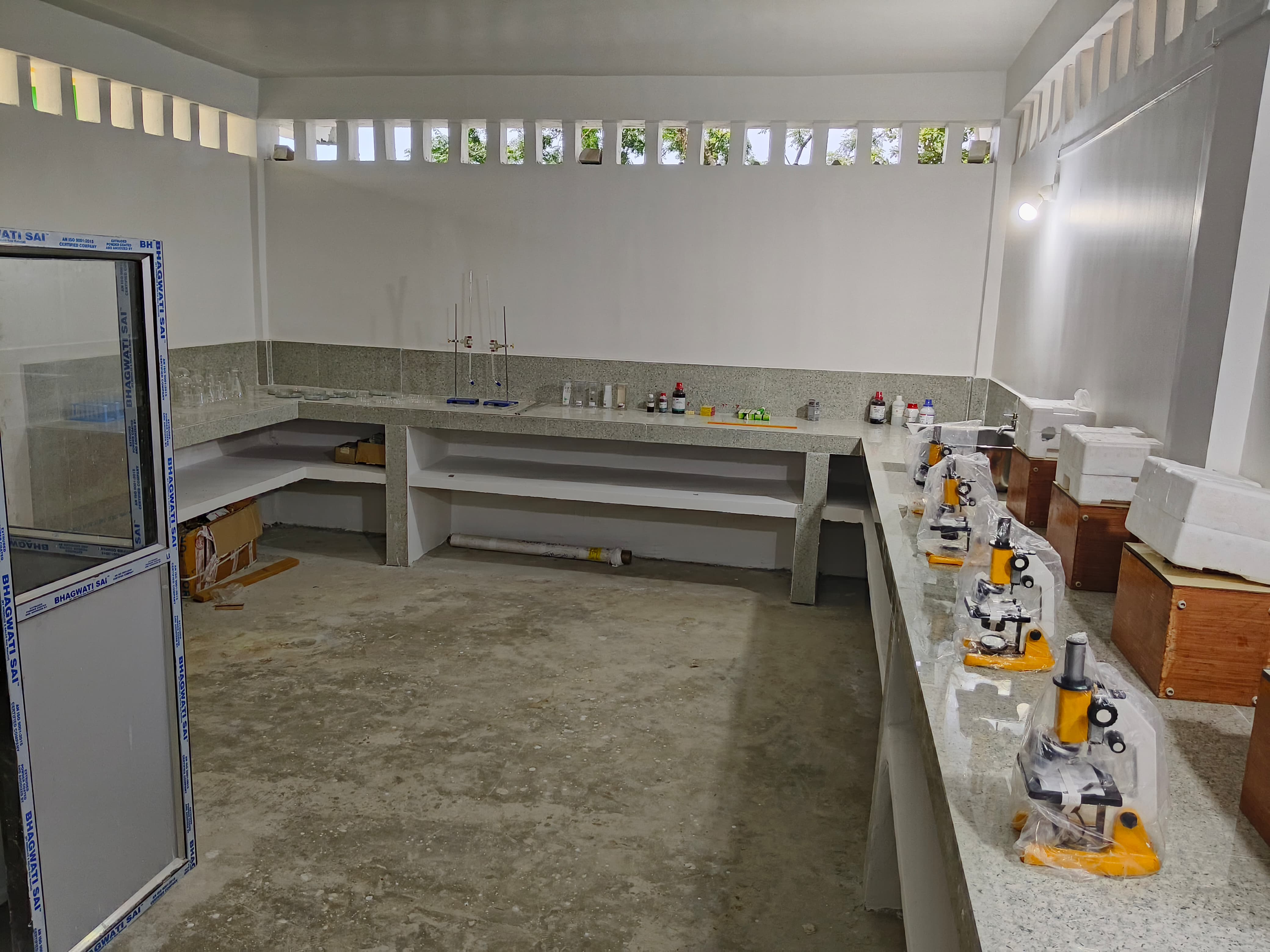
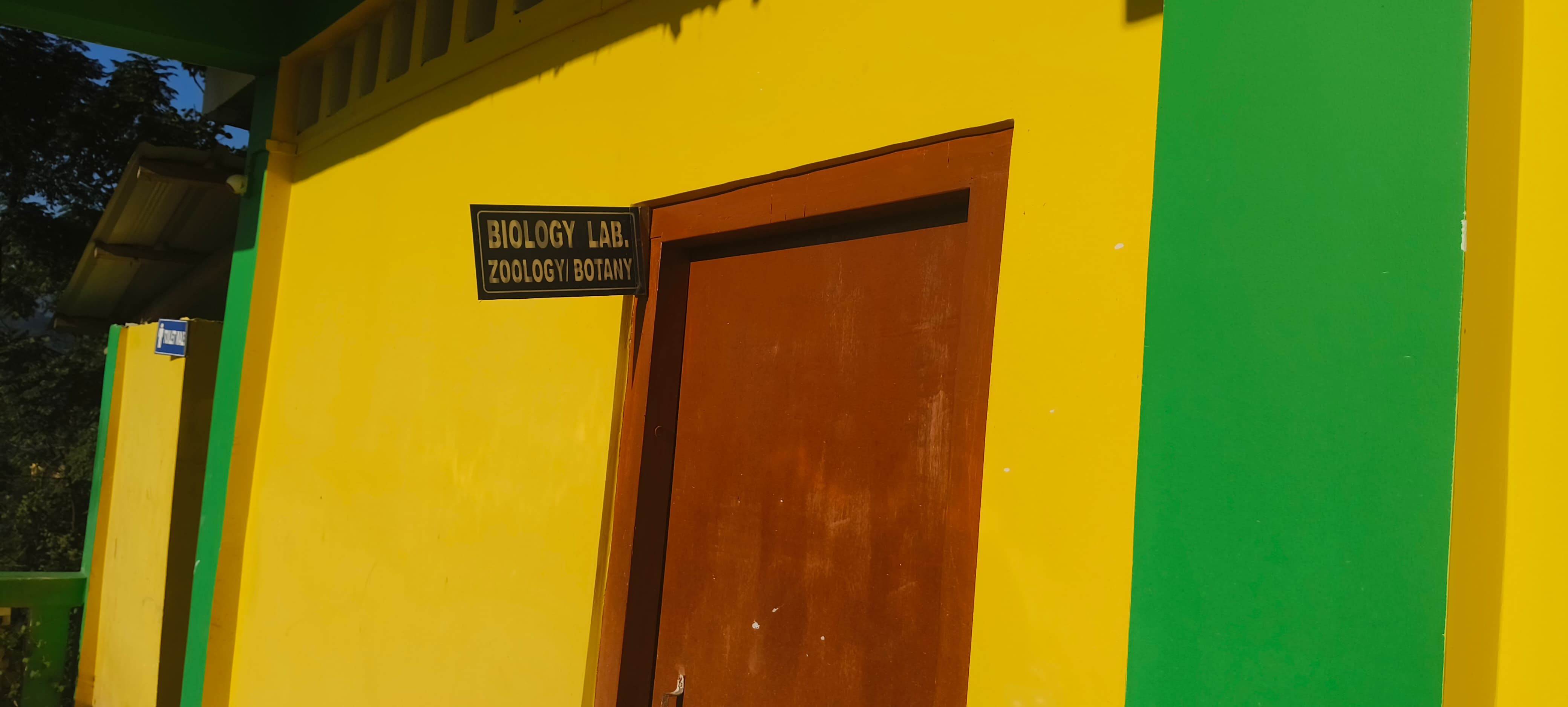
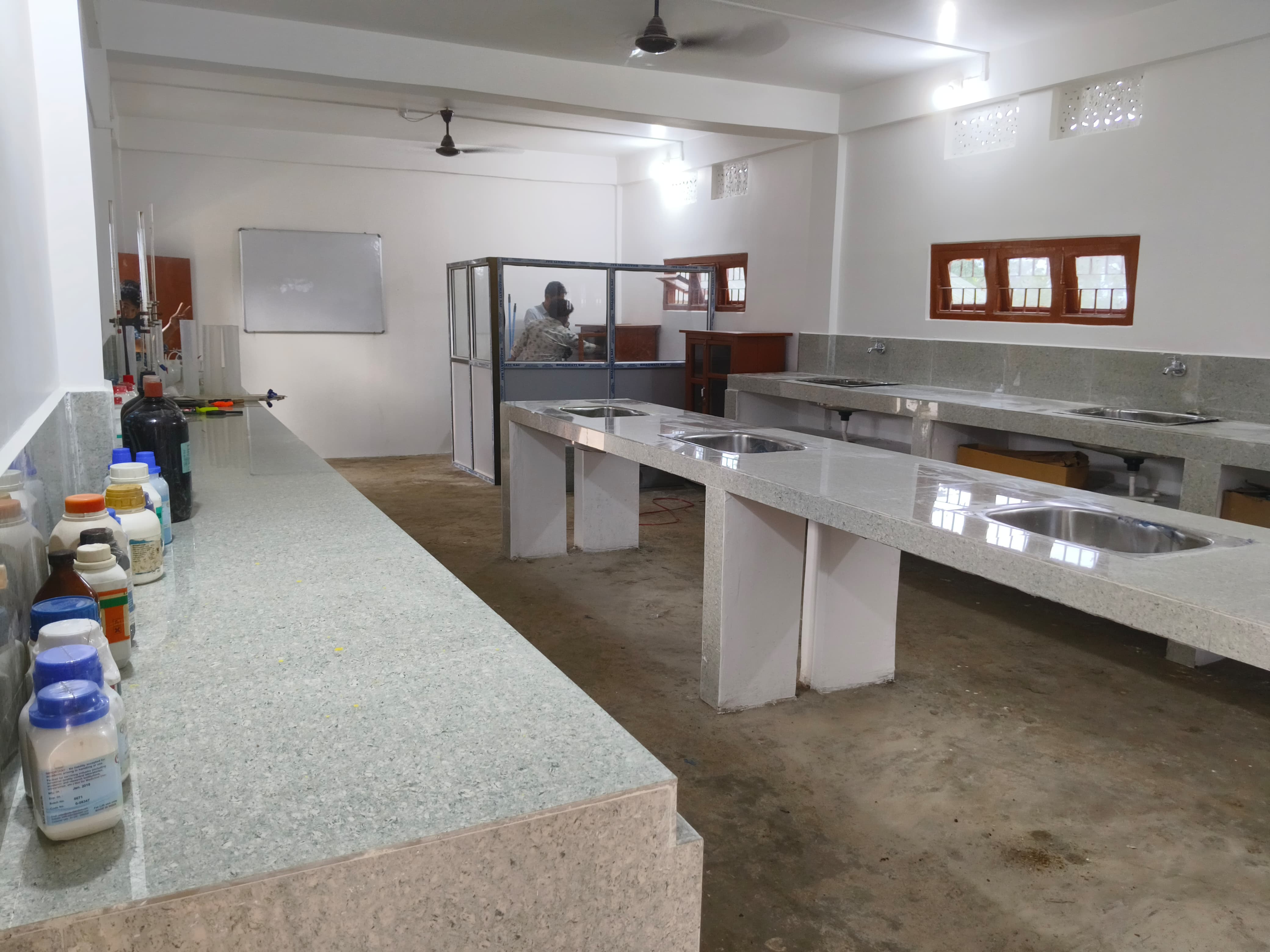
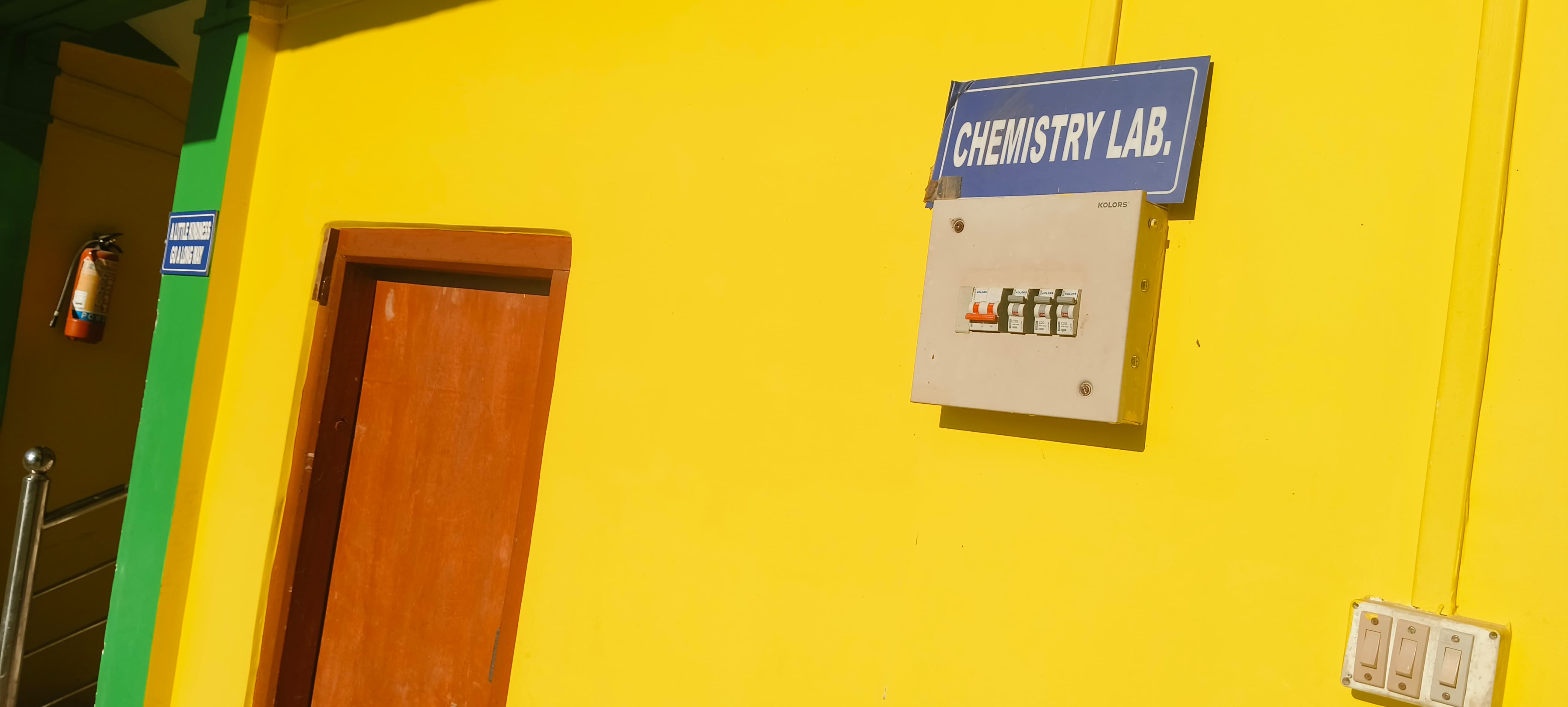
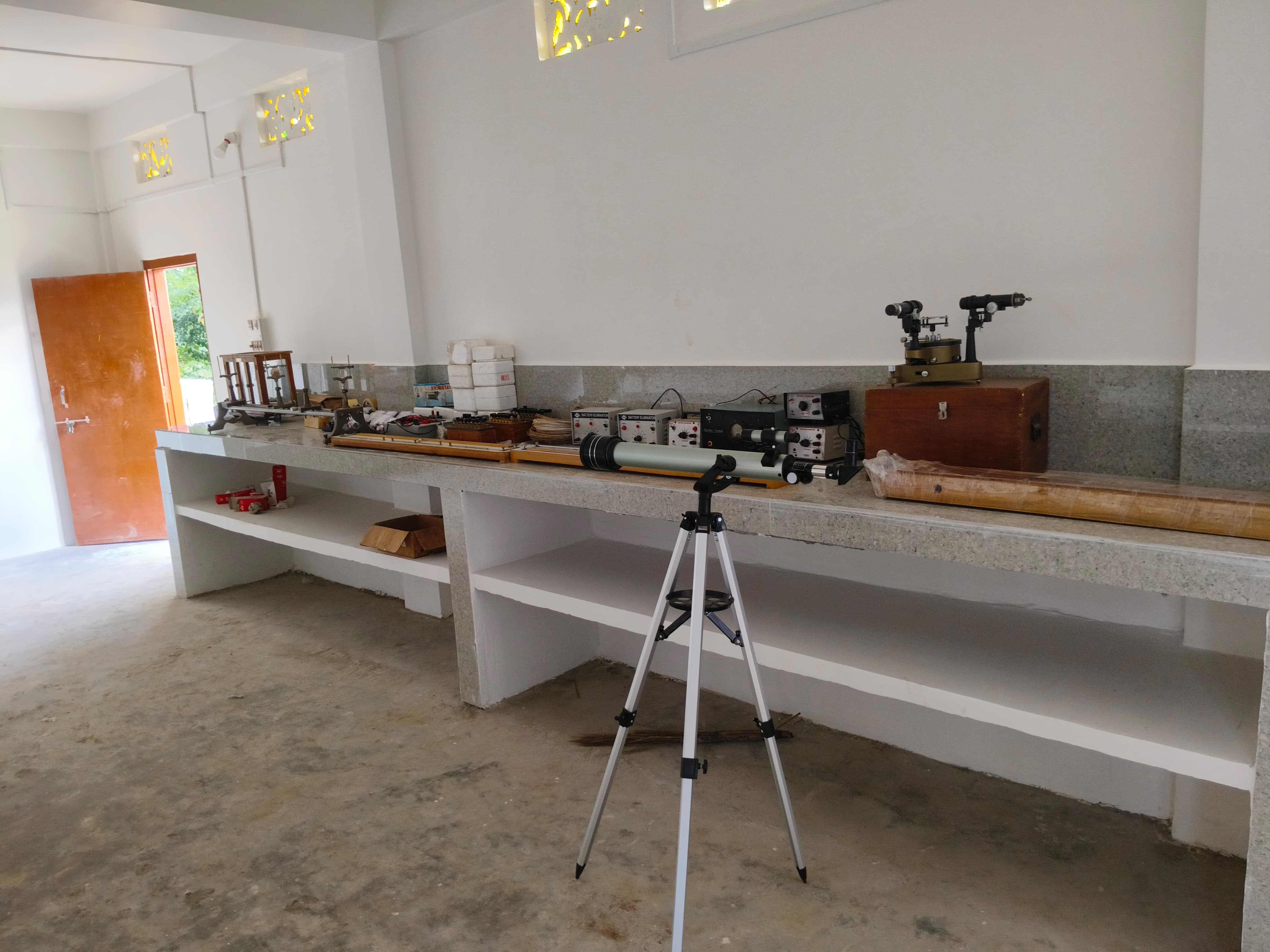
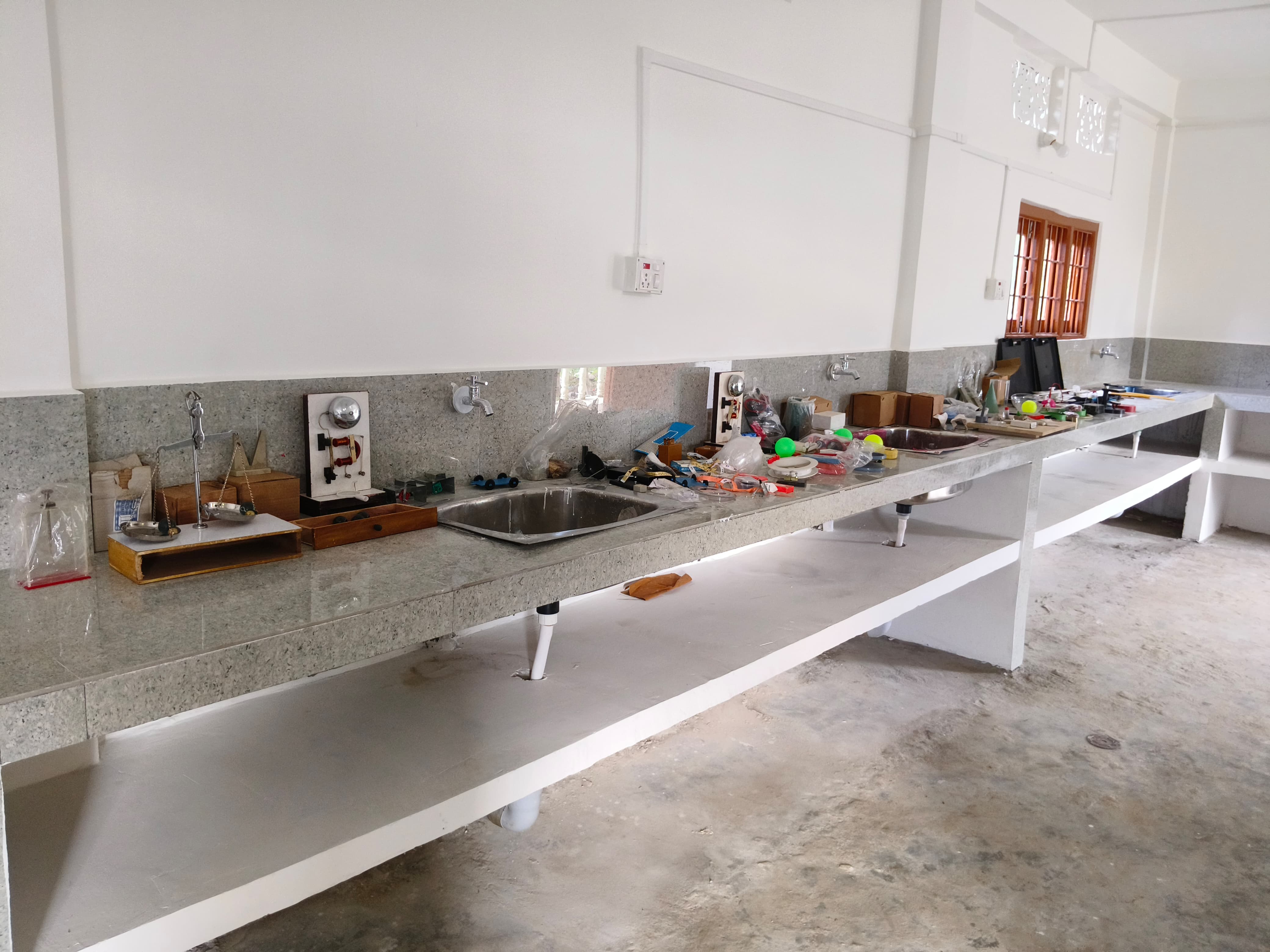
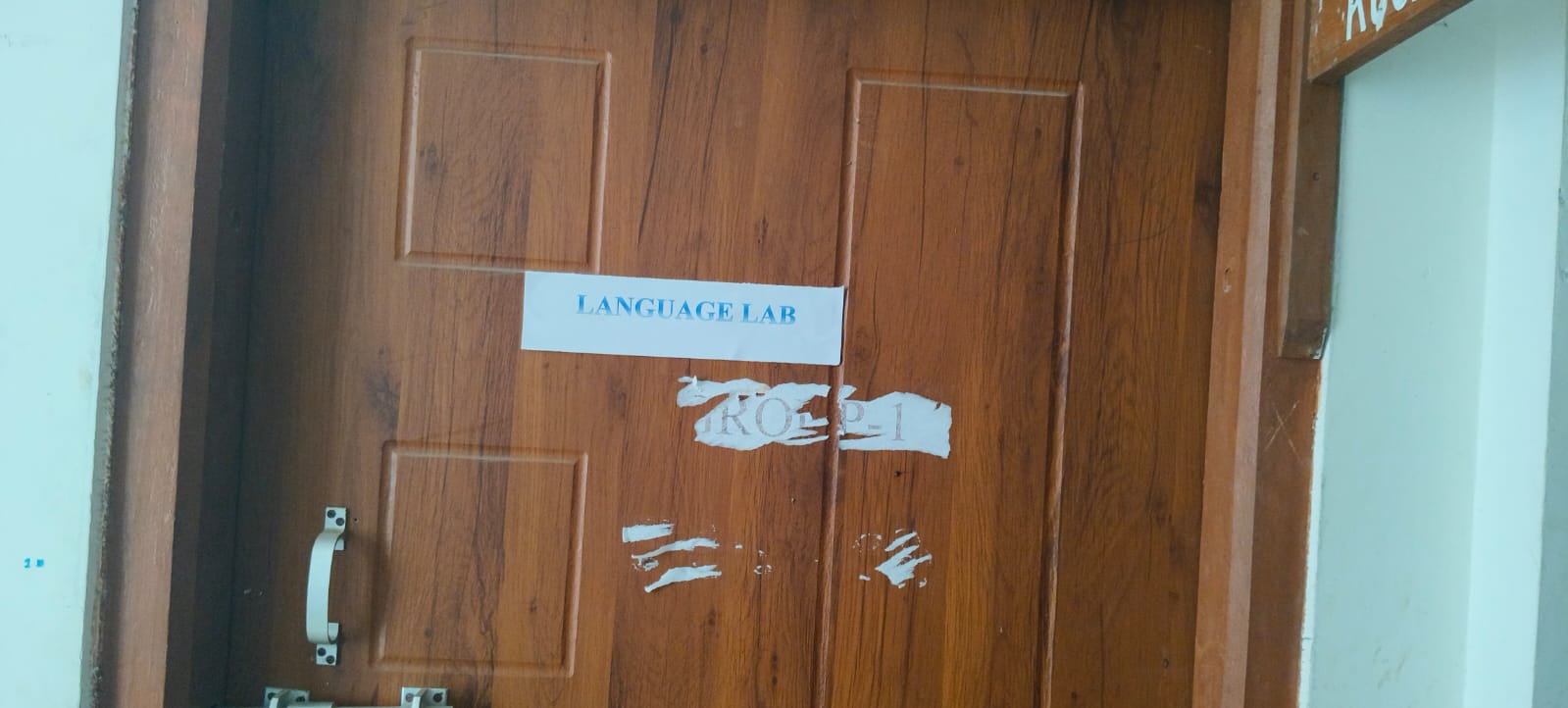
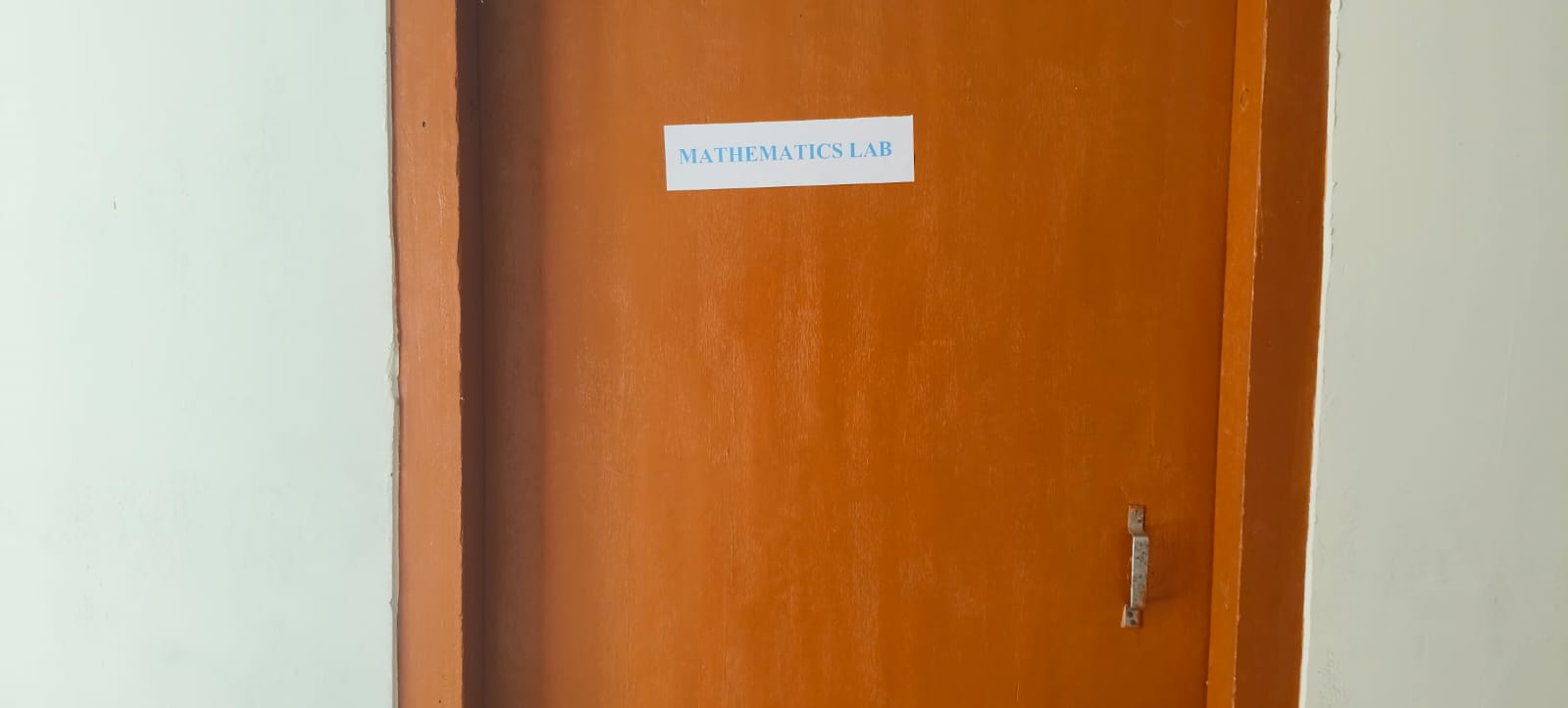
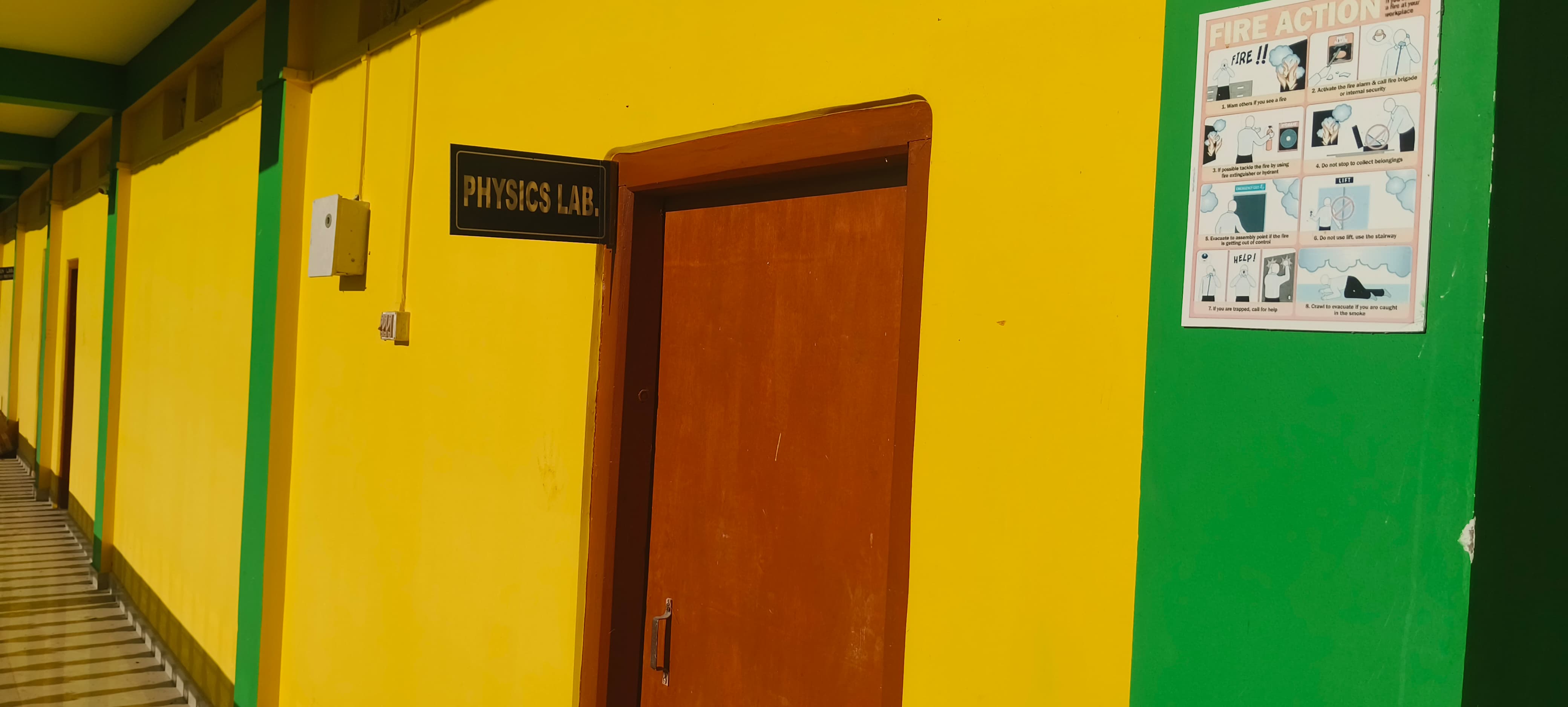
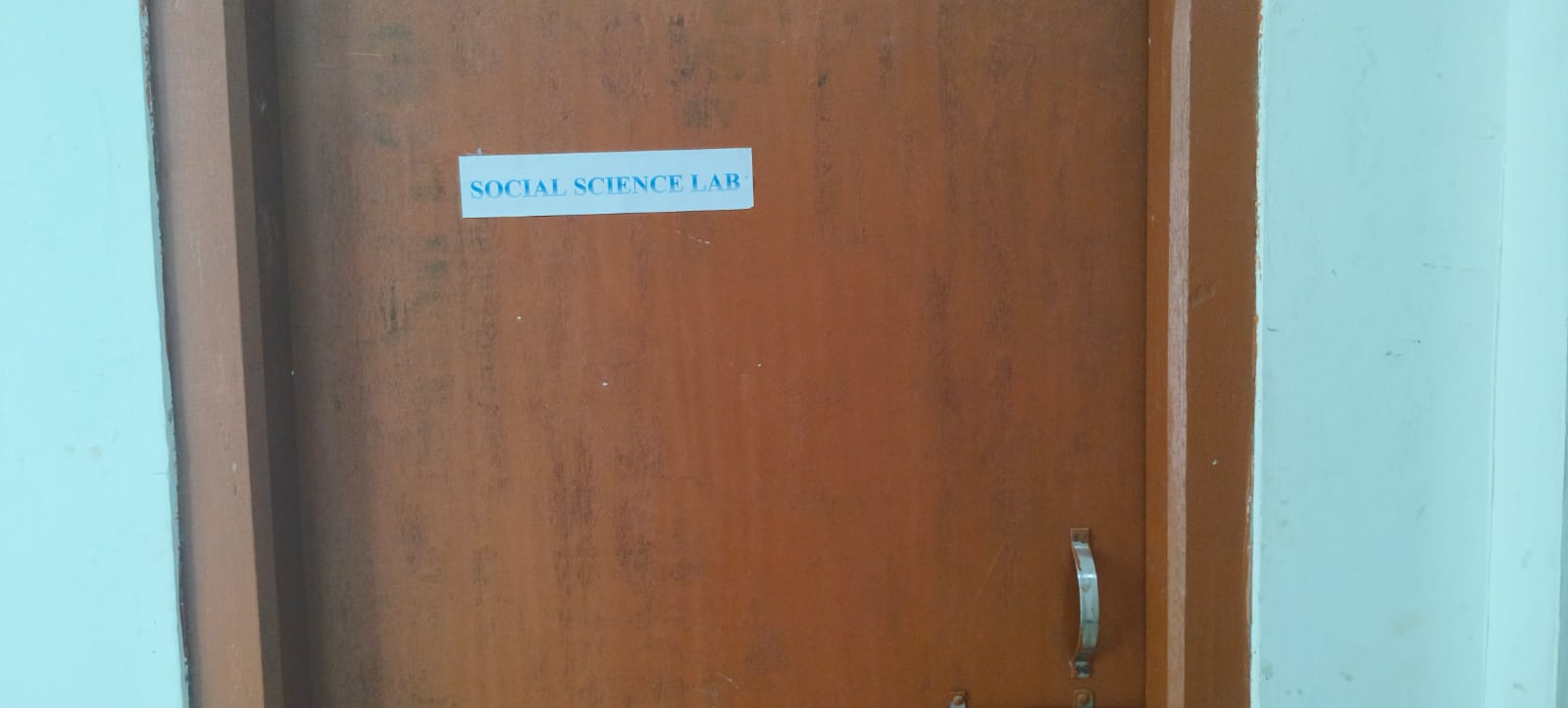
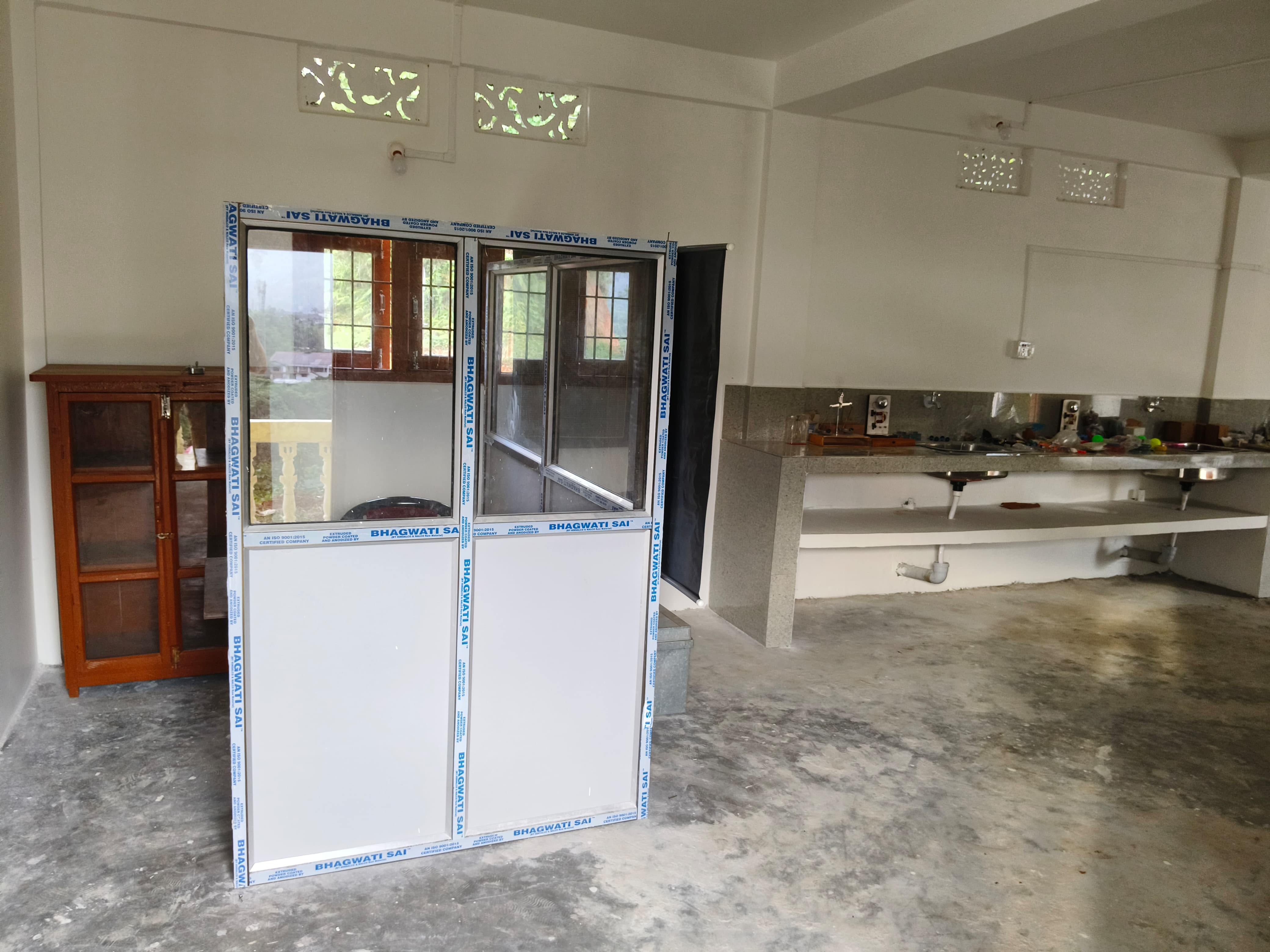
The College maintains a suite of specialised laboratories that support practical training, experiential learning, and empirical study in diverse domains of teacher education. These include science laboratories, psychology laboratory, language laboratory, social science laboratory, and educational technology laboratory. The science labs are fitted with calibrated instruments, scientific apparatus, chemical storage units, safety gear, and demonstrative models conforming to standard educational protocols. The psychology laboratory houses psychometric tools, behavioural assessment devices, personality batteries, aptitude test materials, and observational instruments enabling hands-on exposure to psychological testing and learner behaviour analysis. The language laboratory comprises digital consoles, audio-interactive software, pronunciation modules, and speech-training systems to strengthen communication skills, phonetic accuracy, and linguistic fluency among trainees. The educational technology laboratory includes multimedia devices, video-recording equipment, micro-teaching tools, recording booths, and demonstration kits. The social science laboratory provides atlases, models, charts, artefacts, and resource materials relevant to geography, history, civics, and economics pedagogy. These laboratories serve as empirical learning spaces, ensuring that trainee-teachers engage in scientifically grounded, observation-based, and technologically facilitated pedagogical exercises.
5. Hostel & Residential Facilities
The College provides well-organised hostel and residential amenities designed to ensure comfort, safety, and a conducive environment for academic engagement. The hostels are structurally robust, climate-adaptive, and equipped with essential infrastructural provisions such as purified water supply, 24×7 electricity backup, hygienic sanitation units, and recreational spaces. Each hostel wing is furnished with spacious rooms, study desks, storage provisions, and adequate ventilation. Wardens, caretakers, and residential supervisors ensure disciplined administration and welfare monitoring of inmates. Common rooms with reading nooks, indoor games, and audiovisual facilities enhance communal living experiences. The faculty residential quarters, located within the campus, ensure availability of academic and administrative support even beyond regular hours. The residential area maintains a calm atmosphere, scenic views, and a pollution-free environment owing to the natural greenery surrounding the Doi Ado Hills. Security infrastructure includes surveillance cameras, boundary fencing, controlled entry points, and round-the-clock security personnel—ensuring a safe and regulated residential environment. The hostel services, designed with student well-being as a priority, create a homely, academically favourable, and culturally cohesive residential experience.
6. Administrative Block
The administrative block of the College serves as the operational epicentre for institutional governance, academic coordination, and administrative decision-making. Designed with spatial efficiency and functional planning, the block houses the Principal’s Secretariat, Administrative Office, Clerical Section, Accounts Office, Academic Coordination Unit, Confidential Section, and Records Management Room. The infrastructure includes archival storage, automated office systems, digital documentation facilities, grievance redressal desk, and meeting chambers equipped with conferencing tools. The block adheres to professional administrative protocols ensuring transparency, efficiency, and procedural compliance in all institutional transactions. Dedicated spaces for faculty consultations, official correspondence, and policy drafting allow seamless execution of governance functions. The administrative block is fully ICT-enabled with secure data systems, official communication channels, biometric attendance systems, and e-governance mechanisms. The ambience, characterised by orderliness and administrative discipline, reinforces the College’s commitment to professional institutional management.
7. Multipurpose Hall & Seminar Facilities
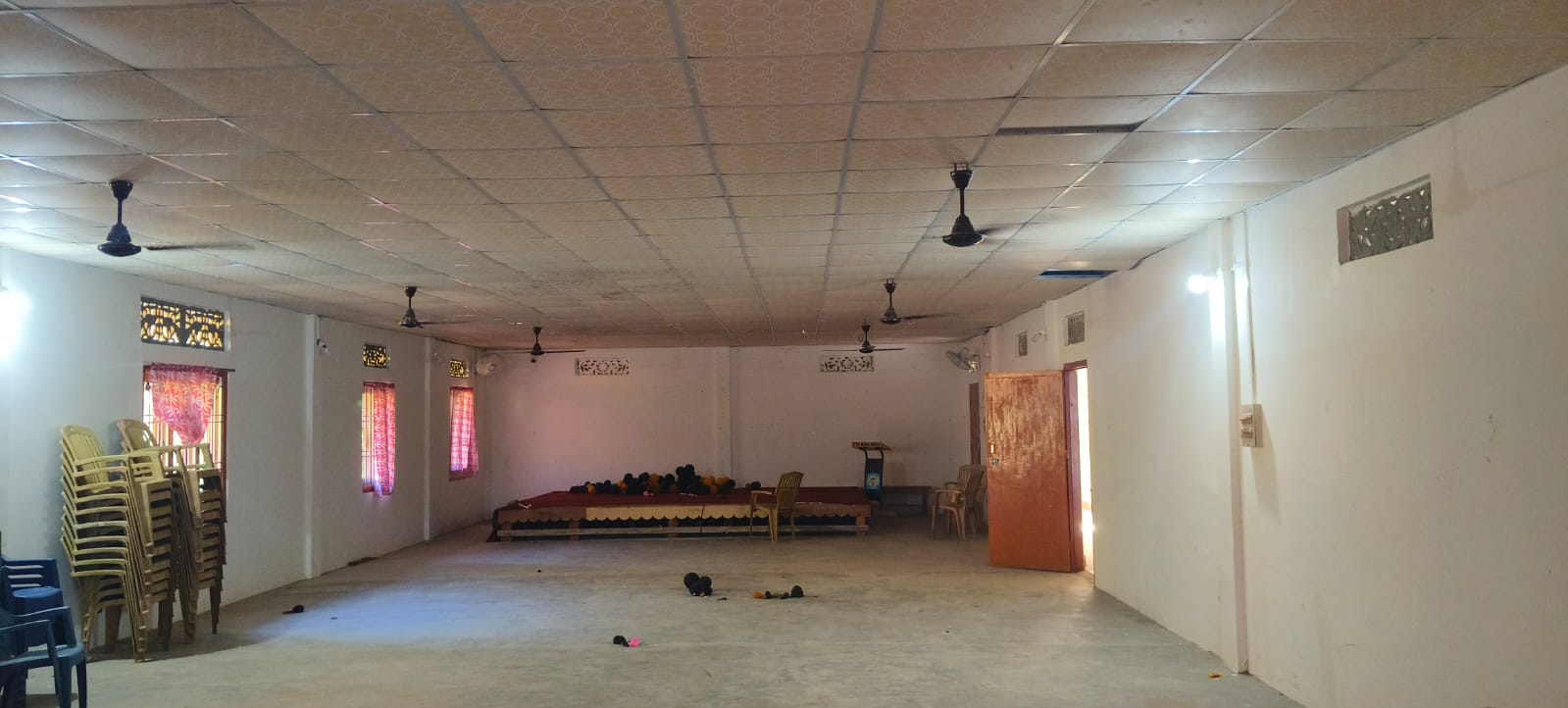
The College has a spacious multipurpose hall that functions as a venue for seminars, workshops, symposia, cultural programmes, and institutional gatherings. Equipped with a raised stage, podium, professional audio system, digital projector, and seating extension arrangements, the hall supports diverse academic and co-curricular engagements. Acoustically treated walls, thermal-balanced interiors, and flexible seating layouts enhance the utility of the space. For academic deliberations, the hall houses seminar paraphernalia such as microphones, conference tables, panel discussion modules, and recording facilities. The hall is routinely used for academic conferences, micro-teaching evaluations, extension lectures, and student-faculty developmental programmes. Its multifunctional design ensures adaptability for exhibitions, training modules, and community outreach events. The multipurpose hall thus serves as a dynamic pedagogic arena that strengthens the institution’s academic culture and collaborative ethos.
8. Sports & Physical Education Infrastructure
The College recognises physical education as a vital component of teacher preparation. The campus includes outdoor playfields, indoor recreation units, and basic athletic amenities suitable for games such as volleyball, badminton, football, and indigenous sports. Trained physical education instructors oversee sports activities, fitness drills, and wellness programmes aimed at enhancing students’ physical stamina and holistic development. Sports equipment is systematically maintained, and periodic sports events and inter-house competitions promote teamwork, sportsmanship, and leadership skills. The serene hilltop terrain further motivates regular outdoor activities, enabling students to engage in eco-walks, yoga sessions, and wellness exercises in natural surroundings. The sports infrastructure contributes significantly to the institution’s well-rounded educational framework.
9. Campus Environment & Eco-Landscape
The campus boasts a distinctive ecological profile owing to its location atop the Doi Ado Hills. Surrounded by dense shrubbery, mature trees, and undisturbed greenery, the environment offers a naturally ventilated, pollution-free, and bio-diverse landscape. The institution maintains eco-friendly practices such as plantation drives, waste-minimisation, rainwater conservation, and green-zone preservation. The tranquil ambience, cool hilltop climate, and minimal external disturbances create an ideal academic sanctuary. The eco-landscape stands as a testament to the College’s commitment to environmental stewardship and sustainable development.
10. Safety Security & Disaster-Management Infrastructure
The College prioritises safety and disaster-preparedness through a structured system consisting of CCTV surveillance, boundary security, emergency exits, fire-extinguishers, and first-aid stations. Seismic-resilient buildings ensure structural safety in accordance with regional geotechnical conditions. Periodic mock-drills, disaster-response training, and safety orientations are carried out under the supervision of trained personnel. Safety signages and evacuation routes are prominently displayed across the campus. The College maintains coordination with local authorities for emergency support, ensuring institutional readiness for unforeseen contingencies .
11. Transport Roads & Internal Mobility
The campus is efficiently connected to the main district road through an 800-metre RCC road engineered for durability and year-round accessibility. Internal pathways, pedestrian corridors, and vehicle circulation routes have been planned to ensure unhindered mobility. Transport arrangements facilitate movement of students, staff, and visiting academic experts. The campus remains accessible even during challenging weather conditions, ensuring operational continuity
12. Sanitation Water Supply & Health Amenities
The College maintains robust sanitation systems comprising clean washrooms, waste-management units, and regular hygienic maintenance. Continuous potable water supply, supported by purification units, ensures public health compliance. A health-care room with first-aid provisions, periodic medical check-ups, and emergency support by nearby health centres ensures student welfare. The overall infrastructure promotes cleanliness, well-being, and health-conscious campus culture.
Infrastructure and Instructional Facilities Photos